Why I Started Fighting Aging Before It Began — A Science-Backed Wake-Up Call
I used to think aging was something that happened later—until I learned how invisible damage builds up long before symptoms appear. What if the best time to act isn’t when you feel old, but when you still feel fine? Science now shows that early intervention can slow cellular decline and reduce disease risk. This isn’t about chasing youth; it’s about protecting your future health with smart, proven choices long before problems start.
The Hidden Clock: Understanding Biological Aging
For decades, society has treated aging as a simple number on a birthday card. But science now reveals a deeper truth: how fast your body ages is not the same as how many years you’ve lived. Chronological age counts time, but biological age reflects the actual condition of your cells, organs, and systems. Two people can be the same age, yet one may have the energy and resilience of someone ten years younger, while the other struggles with fatigue, stiffness, and frequent illness. This difference lies in biological aging—a silent, ongoing process that begins far earlier than most realize.
At the cellular level, aging is not passive. It’s driven by measurable changes that accumulate gradually over time. One of the most studied mechanisms is telomere shortening. Telomeres are protective caps at the ends of chromosomes, like the plastic tips on shoelaces. Each time a cell divides, these caps get shorter. When they become too short, the cell can no longer divide and becomes dysfunctional or dies. This process is linked to tissue deterioration and increased disease risk. While telomere length naturally declines with age, research shows that lifestyle factors such as chronic stress, poor diet, and lack of exercise can accelerate this shortening.
Another key player is mitochondrial decline. Mitochondria are often called the powerhouses of the cell because they generate energy. Over time, these tiny structures become less efficient, producing less energy and more harmful byproducts like free radicals. This contributes to oxidative stress, a kind of internal rust that damages proteins, fats, and DNA. Imagine a flashlight that once shone brightly but now flickers weakly after years of use—that’s what happens to cells when mitochondria falter. This decline can begin as early as your thirties, long before you notice any physical symptoms.
Inflammation also plays a central role. While acute inflammation helps the body heal from injury, chronic low-grade inflammation is a different story. Known as “inflammaging,” this persistent state silently damages tissues and is linked to nearly every major age-related disease, including heart disease, Alzheimer’s, and type 2 diabetes. Unlike a fever or a swollen ankle, this kind of inflammation doesn’t announce itself. It simmers beneath the surface, fueled by factors like excess body fat, poor sleep, and environmental toxins. The takeaway is clear: aging is not an inevitable countdown. It is a biological process shaped by daily choices, and the earlier you understand it, the more control you can exert over your long-term health.
Early Warning: How Silent Damage Leads to Disease
One of the most powerful insights from modern medicine is that diseases like diabetes, heart disease, and certain cancers don’t appear overnight. They develop over years, even decades, through a series of silent changes that go unnoticed until symptoms become unavoidable. By the time someone is diagnosed with high blood pressure or prediabetes, the underlying damage has often been progressing for a long time. This gap between the onset of biological changes and the appearance of symptoms is known as the preclinical phase—and it represents a critical window for prevention.
Take insulin resistance, for example. This condition occurs when cells in the muscles, liver, and fat tissue stop responding well to insulin, making it harder for glucose to enter cells. Over time, the pancreas compensates by producing more insulin, but eventually, it can’t keep up, leading to high blood sugar and, ultimately, type 2 diabetes. Studies show that insulin resistance can begin in midlife or even earlier, especially in individuals with sedentary lifestyles or diets high in processed carbohydrates. Yet, most people feel completely normal during this phase. They don’t experience fatigue, thirst, or other classic symptoms until blood sugar levels are consistently elevated.
Similarly, arterial stiffness is a precursor to cardiovascular disease. Arteries naturally lose some elasticity with age, but this process can be accelerated by factors like chronic inflammation, high sodium intake, and lack of physical activity. Stiff arteries increase blood pressure and strain the heart, raising the risk of heart attack and stroke. Imaging studies have found that measurable changes in arterial health can appear in people as young as their forties, long before any chest pain or shortness of breath occurs. These findings underscore a crucial point: waiting until you feel unwell to take action means you’ve already missed the best opportunity to intervene.
Another example is visceral fat—the fat that surrounds internal organs deep within the abdomen. Unlike subcutaneous fat, which lies just beneath the skin, visceral fat is metabolically active and releases inflammatory substances that disrupt hormone balance and increase disease risk. A person may appear slim on the outside but still carry dangerous levels of visceral fat, a condition sometimes called “skinny fat.” This hidden risk is why waist circumference is now considered a more accurate predictor of health than weight alone. The reality is that many people are already on a path toward chronic illness without knowing it, simply because they rely on how they feel rather than understanding what’s happening inside their bodies.
The Science of Intervention: What Actually Slows Aging?
The good news is that aging is not a one-way street. While we can’t stop time, we can influence how our bodies age through science-backed lifestyle choices. Research in the field of geroscience—the study of the biology of aging—has identified several key interventions that target the root causes of cellular decline. These strategies don’t promise immortality, but they do offer a way to extend healthspan, the period of life spent in good health, free from chronic disease and disability.
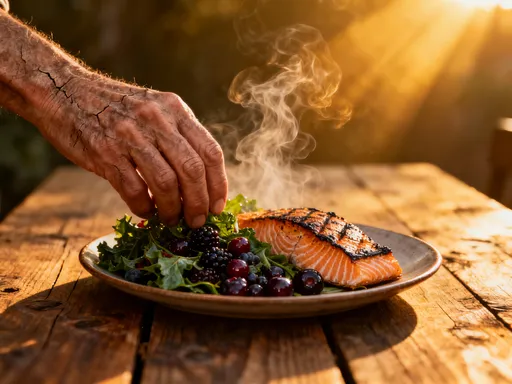
Nutrition is one of the most powerful tools. Diets rich in whole, plant-based foods—such as vegetables, fruits, legumes, nuts, and whole grains—have been consistently linked to slower biological aging. These foods are high in antioxidants, fiber, and phytonutrients that help reduce oxidative stress and inflammation. Time-restricted eating, a form of intermittent fasting where meals are consumed within a set window each day (such as 8 to 10 hours), has also shown promise. Studies suggest it can improve insulin sensitivity, support cellular repair processes, and help maintain a healthy weight. The key is not extreme restriction, but consistency and balance.
Physical activity is equally important. Both aerobic exercise and resistance training play complementary roles. Aerobic activities like brisk walking, cycling, or swimming improve cardiovascular health, increase VO₂ max (a measure of aerobic fitness), and enhance mitochondrial function. Resistance training, such as lifting weights or using resistance bands, helps preserve muscle mass, which naturally declines with age. This is critical because muscle is not just about strength—it’s a metabolic organ that helps regulate blood sugar and supports mobility. A combination of both types of exercise, performed regularly, has been shown to slow multiple markers of biological aging.
Sleep and stress management are often overlooked but equally vital. During deep sleep, the body repairs tissues, clears metabolic waste from the brain, and regulates hormones. Chronic sleep deprivation disrupts these processes, accelerating cellular aging. Similarly, prolonged stress increases levels of cortisol, a hormone that, in excess, can weaken the immune system, raise blood pressure, and contribute to fat accumulation. Practices such as mindfulness, deep breathing, and regular relaxation techniques can help regulate the stress response and support long-term health. Together, these lifestyle factors form a powerful toolkit for influencing how we age, not just how long we live.
Biomarkers That Matter: Tracking Your Health Under the Surface
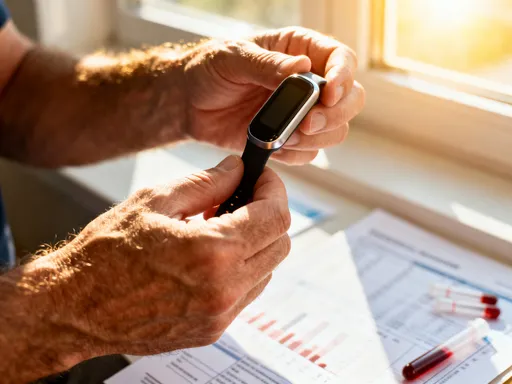
While how you feel is important, it’s not always a reliable indicator of your internal health. That’s where biomarkers come in—measurable indicators that provide insight into your body’s biological age and disease risk. Unlike symptoms, which appear late, biomarkers can reveal early signs of decline, allowing for timely adjustments in lifestyle or medical care. Regular monitoring of these markers, in consultation with a healthcare provider, can be a powerful strategy for staying ahead of aging.
One of the most useful markers is HbA1c, which reflects average blood sugar levels over the past two to three months. Unlike a single glucose test, HbA1c provides a longer-term view and can identify insulin resistance before it progresses to diabetes. A level below 5.7% is considered normal, while 5.7% to 6.4% indicates prediabetes. Keeping this number in a healthy range through diet and exercise can significantly reduce the risk of future complications.
Another important marker is C-reactive protein (CRP), a sign of systemic inflammation. High-sensitivity CRP (hs-CRP) tests can detect low levels of inflammation that may not cause any noticeable symptoms but are linked to increased cardiovascular risk. A level below 1.0 mg/L is considered low risk, while levels above 3.0 mg/L indicate higher risk. Diet, exercise, and stress reduction have all been shown to lower CRP levels over time.
VO₂ max, or maximal oxygen uptake, is a measure of cardiovascular fitness and a strong predictor of longevity. It reflects how efficiently your body uses oxygen during intense exercise. Higher VO₂ max is associated with lower mortality and better overall health. While traditionally measured in a lab, some fitness trackers now offer estimates based on heart rate and activity data. Improving VO₂ max through regular aerobic exercise can enhance energy, endurance, and heart health.
Grip strength, though simple to measure, is surprisingly predictive of overall health and mortality. It reflects muscle mass, neuromuscular function, and general physical resilience. Studies have found that low grip strength is associated with higher risks of heart disease, disability, and premature death. Regular strength training can improve grip strength and serve as a practical indicator of functional fitness. By tracking these and other biomarkers over time, individuals can gain a clearer picture of their biological age and take proactive steps to stay healthy.
Building Daily Defenses: Small Habits with Long-Term Impact
Knowing the science is one thing; putting it into practice is another. The most effective anti-aging strategies are not extreme or complicated—they are consistent, sustainable habits woven into daily life. The goal is not perfection, but progress. Over time, small choices compound, creating a strong defense against the gradual decline that leads to disease.
One simple yet powerful habit is walking after meals. Research shows that just 10 to 15 minutes of light walking after eating can significantly reduce blood sugar spikes, especially in older adults. This practice helps muscles absorb glucose more efficiently, reducing the burden on the pancreas and improving insulin sensitivity. It doesn’t require special equipment or a gym membership—just a pair of comfortable shoes and a few minutes of intention.
Strength training twice a week is another cornerstone. It doesn’t have to mean lifting heavy weights or spending hours at the gym. Bodyweight exercises like squats, lunges, and push-ups, or using resistance bands at home, can be highly effective. The key is consistency and progressive challenge—gradually increasing intensity to keep muscles engaged. Preserving muscle mass supports metabolism, balance, and independence as you age.
Sleep hygiene is equally important. Going to bed and waking up at the same time every day, even on weekends, helps regulate the body’s internal clock. Creating a calming bedtime routine, limiting screen time before sleep, and keeping the bedroom cool and dark can improve sleep quality. Since poor sleep accelerates biological aging, these small adjustments can have far-reaching benefits.
Mindful eating is another practical strategy. This means paying attention to hunger and fullness cues, eating slowly, and choosing nutrient-dense foods over processed ones. It’s not about strict dieting, but about developing a healthier relationship with food. When meals are enjoyed without distraction, digestion improves, and overeating becomes less likely. These habits, when practiced regularly, create a foundation for long-term health that goes beyond any single supplement or trend.
Mindset and Motivation: Staying Committed Without Fear
Staying committed to healthy habits requires more than knowledge—it requires the right mindset. The goal of early intervention is not to eliminate aging, but to promote vitality and resilience. This shift in perspective is crucial: prevention should be seen as an act of self-care, not a response to fear. When motivation comes from a place of self-respect and long-term well-being, it becomes more sustainable than when driven by anxiety or societal pressure to look young.
It’s also important to avoid the trap of obsessing over numbers. While tracking biomarkers can be helpful, constantly checking weight, blood sugar, or step counts can lead to stress and burnout. The focus should be on patterns over time, not daily fluctuations. Health is not a performance metric; it’s a lifelong journey. Celebrating small wins—like completing a week of consistent walks or sticking to a sleep schedule—can reinforce positive behavior without creating unnecessary pressure.
Another challenge is misinformation. The internet is full of unproven anti-aging products, miracle diets, and exaggerated claims. It’s essential to rely on credible sources and consult healthcare professionals before making significant changes. No single food, supplement, or app can replace the benefits of a balanced lifestyle. A registered dietitian, primary care provider, or physical therapist can offer personalized guidance based on individual health history and goals.
Finally, remember that setbacks are normal. Life is unpredictable, and there will be days when routines are disrupted. The key is not to strive for perfection, but to return to healthy habits with compassion and consistency. Aging well is not about control, but about resilience—the ability to adapt, recover, and keep moving forward. When approached with patience and purpose, the journey of prevention becomes not a burden, but a meaningful expression of care for oneself.
The Bigger Picture: Aging Well as a Life Strategy
Viewing health through the lens of aging changes everything. It shifts the focus from treating disease to preserving function, from reacting to preventing. The choices made today—what to eat, how to move, how to rest—are not just about immediate well-being; they are investments in future vitality. Science has given us the tools to understand the biological processes of aging, but it is daily behavior that determines the outcome.
The best time to start protecting your health was years ago. The next best time is now. Every step taken today—whether it’s choosing a salad over processed food, taking a walk after dinner, or prioritizing sleep—contributes to a slower rate of biological aging. Over time, these actions reduce the risk of chronic disease, maintain independence, and support a higher quality of life in later years.
This is not about fear of growing older, but about respect for the body’s capacity to heal and adapt. Aging is inevitable, but decline is not. By understanding the science, tracking key indicators, and building sustainable habits, it is possible to age with strength, clarity, and purpose. The future of health is not found in a pill or a procedure, but in the quiet, consistent choices made every day. The power to influence how you age has been within reach all along.