How I Found Calm Through Yoga and TCM Wisdom
For years, I felt constantly drained—busy mind, stiff body, no real peace. I tried quick fixes, but nothing lasted. Then I discovered the quiet power of combining yoga meditation with traditional Chinese medicine principles. It wasn’t magic, just small, consistent shifts. My energy improved, my focus sharpened, and I finally felt in tune with myself. This is how it changed my daily life.
The Burnout Breakthrough
In today’s fast-moving world, many women in their 30s, 40s, and 50s find themselves caught in a cycle of doing—managing homes, supporting families, meeting work demands—without time to simply be. The constant motion creates a false sense of productivity, yet beneath the surface, exhaustion builds. This kind of fatigue is not just physical; it is emotional and mental, a deep weariness that sleep alone cannot resolve. The body becomes tense, the mind races, and the spirit feels distant, as if living on autopilot. This was my reality for years, a life filled with tasks but lacking true vitality.
I reached a turning point when I realized I could check every box on my to-do list and still feel completely disconnected from myself. I wasn’t unwell in a medical sense, yet I wasn’t thriving either. I tried common remedies: cutting back on caffeine, going to bed earlier, even taking short vacations. While these helped temporarily, the relief was fleeting. As soon as the routine resumed, so did the tension. It became clear that what I needed wasn’t another quick fix, but a deeper, more sustainable approach to well-being—one that addressed not just symptoms, but root causes.
That’s when I began to explore holistic balance. Unlike conventional approaches that often focus on isolated issues—sleep, diet, or exercise—holistic wellness considers the whole person: body, mind, and energy. It recognizes that health is not the absence of illness, but a state of harmony. Drawing from ancient wisdom traditions, this approach doesn’t demand perfection. Instead, it invites gentle, consistent practices that support the body’s natural ability to restore and renew. For me, the path to balance emerged through two powerful systems: yoga meditation and traditional Chinese medicine.
Yoga Meditation: More Than Just Stretching
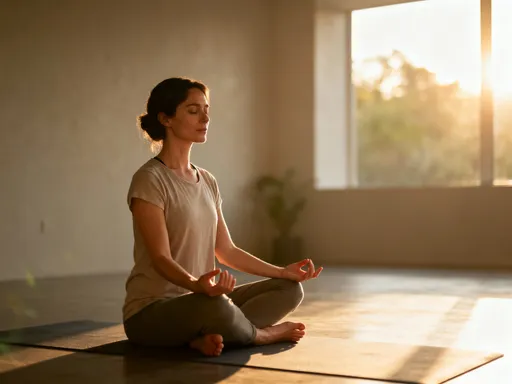
When many people think of yoga, they picture flexible bodies in complex poses. But yoga meditation goes far beyond physical postures. At its core, it is a practice of awareness—of breath, of sensation, of the present moment. It teaches the mind to slow down, the nervous system to settle, and the body to release stored tension. This quiet discipline became a sanctuary in my day, a few minutes where I could step away from external demands and reconnect with my inner rhythm.
One of the most immediate benefits I noticed was in my nervous system. Chronic stress keeps the body in a state of fight-or-flight, where cortisol levels remain elevated and the heart rate stays high. Yoga meditation, especially practices that emphasize slow, rhythmic breathing, activates the parasympathetic nervous system—the body’s natural relaxation response. This shift doesn’t happen overnight, but with regular practice, it becomes more accessible. Over time, I found myself less reactive to daily stressors, more able to pause before responding, and more capable of returning to calm after a challenge.
Getting started didn’t require hours of time or special equipment. I began with just five minutes each morning: sitting quietly, closing my eyes, and focusing on my breath. When my mind wandered—and it often did—I gently brought it back without judgment. This simple act of mindfulness created a ripple effect. I began to notice small changes: fewer nighttime awakenings, a greater sense of mental clarity during the day, and a softer emotional tone. I also experimented with body scans, a practice where attention is slowly moved from the toes to the head, noticing sensations without trying to change them. This helped me become more attuned to physical signals, such as early signs of tension or fatigue, allowing me to respond before they turned into bigger issues.
The beauty of yoga meditation lies in its accessibility. It doesn’t require special skills or beliefs. Whether practiced on a mat, in a chair, or even while walking, it offers a way to cultivate presence. Over months, these brief moments of stillness added up, creating a foundation of resilience. I no longer waited for a crisis to seek calm; I learned to invite it into my daily life.
Traditional Chinese Medicine: The Body’s Natural Rhythm
While yoga helped me slow down and become more aware, traditional Chinese medicine (TCM) gave me a framework to understand *why* I felt out of balance. Unlike Western medicine, which often treats symptoms in isolation, TCM views the body as an interconnected system governed by energy, rhythm, and harmony. Central to this system is the concept of **Qi** (pronounced “chee”), the vital life force that flows through the body along pathways called meridians. When Qi moves freely, health is supported; when it becomes blocked or depleted, discomfort or fatigue can arise.
Another key principle is the balance of **Yin and Yang**—opposing yet complementary forces. Yin represents rest, nourishment, and inward energy; Yang stands for activity, heat, and outward expression. In modern life, many of us live in a state of Yang excess: always doing, producing, and engaging. Without enough Yin to balance it—through rest, quiet, and reflection—the body pays a price. I recognized this pattern in myself: days filled with action, but little time for restoration. No wonder I felt drained, even after a full night’s sleep.
TCM also introduces the idea of the **organ clock**, a 24-hour cycle in which different organs are most active at specific times. For example, the liver is most active between 1 a.m. and 3 a.m., a period linked to emotional processing and detoxification. If one is frequently awake during these hours, TCM suggests an imbalance in liver Qi, often tied to frustration or unresolved emotions. Similarly, the spleen and stomach, responsible for digestion and energy production, are most active in the morning and midday. Eating a heavy meal late at night, when digestive energy is low, can lead to sluggishness and poor nutrient absorption.
What resonated with me most was TCM’s emphasis on prevention. Rather than waiting for illness to appear, it encourages daily habits that support long-term health. This meant aligning my routine with natural cycles—waking with the sun, eating meals at consistent times, and winding down before bedtime. It wasn’t about rigid rules, but about honoring the body’s innate wisdom. By making small adjustments, such as drinking warm water in the morning to awaken digestion or avoiding cold foods when feeling fatigued, I began to feel more in sync with my natural rhythm.
Where Yoga Meets TCM: A Powerful Blend
As I deepened my understanding of both yoga and TCM, I began to see their profound similarities. Both traditions view health as a state of balanced energy flow. In yoga, breath—**pranayama**—is considered the bridge between body and mind, a tool to regulate energy. In TCM, breath supports the smooth movement of Qi. When breath is shallow or irregular, both systems agree that energy becomes stagnant, contributing to tension and fatigue. By combining conscious breathing from yoga with TCM’s focus on Qi cultivation, I found a more complete approach to vitality.
Another powerful connection lies in the concept of stillness. In yoga, meditation and restorative poses allow the mind to settle and the nervous system to reset. In TCM, this stillness nourishes **Yin energy**, which is essential for recovery, hormonal balance, and emotional stability. Many women in midlife experience shifts in energy and mood, often linked to declining Yin. Practices that support Yin—such as gentle yoga, early bedtime, and quiet reflection—can ease this transition. I began to view my evening yoga routine not just as exercise, but as an act of self-nourishment, a way to replenish what the day had used.
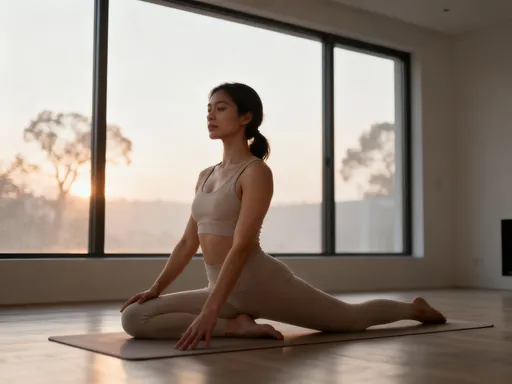
Integrating both systems into my morning routine made a noticeable difference. I started the day with a glass of warm water, a simple TCM recommendation to support digestion and awaken the spleen. Then, I moved into a short yoga sequence: gentle stretches, cat-cow to mobilize the spine, and a few minutes of seated breathing. This combination helped me feel grounded before the day’s demands began. Over time, I added seasonal awareness—practicing slower, more inward-focused yoga in winter to conserve energy, and more active flows in spring to match the body’s natural rise in vitality.
A sample daily rhythm that bridges both traditions might look like this: upon waking, sip warm water and take five deep breaths. Between 7 a.m. and 9 a.m., when stomach energy is strong, enjoy a warm, nourishing breakfast. Mid-morning, engage in light yoga or stretching to keep Qi flowing. In the evening, practice a restorative pose like legs-up-the-wall or child’s pose, followed by a body scan meditation. This routine isn’t rigid, but adaptable—honoring energy levels and life’s changing demands. The goal is not perfection, but consistency in returning to balance.
Simple Shifts That Actually Stick
One of the biggest challenges in adopting any wellness practice is sustainability. Many people start with enthusiasm but struggle to maintain momentum. What helped me was focusing not on intensity, but on integration—finding small, manageable ways to weave these practices into daily life. For example, instead of aiming for an hour of yoga, I committed to five minutes each morning. This tiny habit was easy to maintain, and over time, it often expanded naturally.
Another practical tip is to align activity with natural energy cycles. According to both yoga and TCM, the body has peak energy in the late morning and early afternoon. This is an ideal time for more active yoga or physical work. In contrast, the evening is a time for slowing down. Engaging in vigorous exercise late at night can overstimulate Yang energy, making it harder to rest. I shifted my workouts to earlier in the day and reserved evenings for gentle movement, such as walking or stretching, which supported relaxation.
Mindful eating became another cornerstone. TCM emphasizes that digestion begins in the mouth, not the stomach. Chewing slowly and eating in a calm environment improves nutrient absorption and prevents digestive strain. I began to turn off screens during meals and take time to appreciate the colors and flavors of my food. This small shift not only supported my digestion but also created moments of presence in an otherwise rushed day.
I also learned to adapt yoga poses to support specific needs. For example, gentle twists can stimulate the liver and gallbladder meridians, aiding detoxification and emotional release. Forward bends are calming and nourish Yin, making them ideal for times of stress or fatigue. In winter, I focused on poses that generated internal warmth, such as seated forward folds or supported bridge pose. In spring, I incorporated more dynamic sequences to match the season’s energy. These seasonal adjustments helped me feel more connected to the natural world and less at war with my body’s rhythms.
The key to lasting change is consistency, not perfection. It’s better to practice for a few minutes most days than to do a long session once a week. Over time, these small actions build resilience, like strengthening a muscle. I stopped measuring success by how flexible I became or how long I could meditate. Instead, I noticed subtler signs: I was less reactive, more patient, and more in tune with my body’s needs.
What Science Says—And What It Doesn’t
While yoga and TCM are rooted in ancient traditions, modern science has begun to validate many of their benefits. Research shows that regular yoga practice can reduce levels of cortisol, the primary stress hormone, and improve heart rate variability—a marker of nervous system resilience. Studies also link mindfulness meditation to increased gray matter in brain regions associated with emotional regulation and attention. These findings support what practitioners have known for centuries: that slowing down and turning inward has measurable effects on both mind and body.
Traditional Chinese medicine, while more complex to study through conventional research methods, is gaining recognition in integrative healthcare. Acupuncture, a key component of TCM, has been shown in clinical trials to help with chronic pain, migraines, and anxiety. While the concept of Qi may not be directly measurable by current scientific instruments, the physiological effects of TCM practices—such as improved circulation, reduced inflammation, and better sleep—are increasingly documented. This doesn’t mean TCM replaces medical treatment, but it can complement it, offering tools for prevention and daily well-being.
It’s important to acknowledge that science doesn’t have all the answers. Some aspects of these traditions—such as energy flow or meridian pathways—operate outside the current biomedical model. Yet, the outcomes often speak for themselves. When people report feeling more balanced, sleeping better, or experiencing fewer mood swings, these are real improvements in quality of life. The mechanisms may differ, but the goal is the same: to support the body’s innate ability to heal and thrive.
That said, individual needs vary. What works for one person may not work for another. It’s essential to consult with healthcare providers, especially when managing chronic conditions. Yoga and TCM are not substitutes for medical care, but they can be valuable parts of a holistic health plan. Listening to your body, tracking changes, and making informed choices are key. Wellness is not about following a single path, but about finding what supports *your* unique balance.
Living the Balance: A Lifestyle, Not a Fix
Over time, what began as a search for relief from burnout evolved into a deeper relationship with myself. These practices are no longer just routines I follow; they have become a mindset, a way of moving through life with greater awareness and compassion. I’ve learned to pause before reacting, to rest without guilt, and to honor my energy rather than push through it. The changes are not dramatic, but they are lasting—like the difference between a stormy sea and one that has settled into gentle waves.
Emotional stability has improved. Where I once felt overwhelmed by small setbacks, I now have tools to regain center. I notice when I’m tipping into stress and can use breath or stillness to recalibrate. Self-awareness has deepened, allowing me to recognize patterns—like overcommitting or neglecting rest—before they lead to exhaustion. Most importantly, my energy feels more sustainable. I’m not running on adrenaline or caffeine, but on a steady inner reserve that grows with care.
I encourage others to approach this journey with curiosity, not expectation. There is no single “right” way to practice. Some may find deep benefit in daily meditation, while others may connect more through movement or seasonal eating. The essence is not the method, but the intention: to listen, to adjust, and to honor the body’s wisdom. Wellness is not a destination, but an ongoing conversation with oneself.
In a world that often values speed and output, choosing stillness is a quiet act of resistance. It is a commitment to living not just longer, but better—with more presence, more peace, and more alignment. For me, yoga and TCM have not fixed me; they have helped me remember how to care for myself, one breath, one choice, one day at a time.