What I Learned About Eating Right While Pregnant – No Gimmicks, Just Real Talk
Pregnancy changed the way I saw food. It wasn’t just about cravings or eating for two—it was about giving my body and my baby real, lasting fuel. I started digging into what actually matters: nutrients, balance, and listening to my body. What I discovered went way beyond old wives’ tales. This is the honest, no-fluff guide I wish I had from day one—backed by science, shaped by experience, and shared straight from my heart. The journey of nourishing a growing life taught me more about health than any book or trend ever could. It wasn’t about restriction or perfection, but about making choices that honored both my needs and my baby’s development.
The Myth of "Eating for Two" – Why Quantity Isn’t the Answer
One of the most persistent myths in pregnancy is the idea that you need to "eat for two." It sounds logical—after all, there are two lives growing inside one body. But in reality, this phrase has led to more confusion than clarity. During my first trimester, I interpreted it as permission to indulge freely, believing that extra portions would translate into extra energy and strength. What I didn’t realize was that I was consuming far more calories than my body actually needed, which only left me feeling sluggish and uncomfortably full.
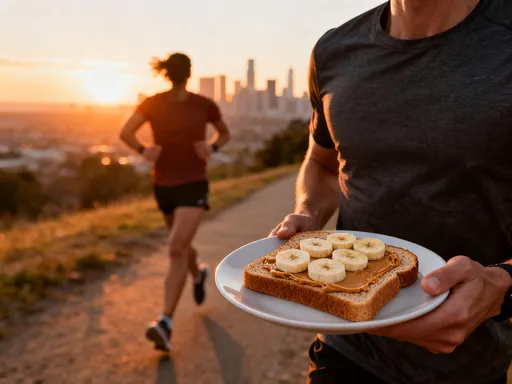
Scientific guidelines clarify that caloric needs increase only moderately during pregnancy. In the first trimester, no additional calories are required. During the second trimester, an extra 340 calories per day are recommended, and in the third, about 450. That’s not double your intake—it’s roughly equivalent to a banana with peanut butter or a small bowl of oatmeal with nuts. These numbers may vary slightly based on pre-pregnancy weight, activity level, and individual metabolism, but the principle remains: quality matters far more than quantity.
What I learned the hard way was that overeating didn’t support my baby’s growth—it made me feel bloated, tired, and disconnected from my body’s true signals. Instead of focusing on how much I was eating, I shifted my attention to what I was eating. Nutrient-dense foods like vegetables, whole grains, lean proteins, and healthy fats became the foundation of my meals. This change didn’t just improve how I felt day to day; it helped me maintain steady energy and avoid excessive weight gain, which can complicate delivery and postpartum recovery.
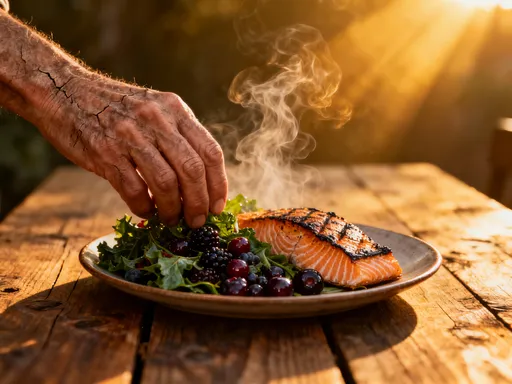
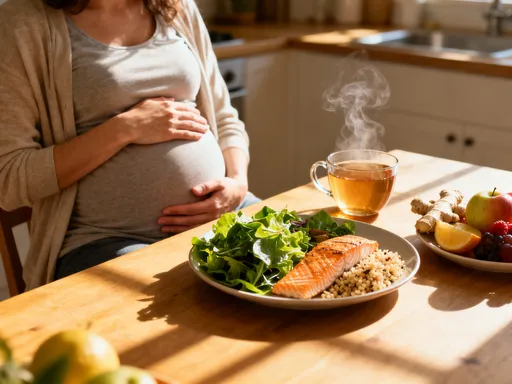
My practical takeaway? Replace the idea of "eating for two" with "nourishing for two." Focus on foods that deliver vitamins, minerals, and sustained energy rather than empty calories. A plate filled with colorful vegetables, a serving of grilled salmon, and a side of quinoa does more for fetal development than a second slice of cake. This mindset shift wasn’t about deprivation—it was about honoring the incredible biological process happening inside me with thoughtful, intentional choices.
Core Nutrients That Actually Matter – And Where to Find Them
When I began researching prenatal nutrition, I quickly realized that not all nutrients are created equal. While every vitamin and mineral plays a role, certain ones are especially critical during pregnancy. Understanding their functions helped me make informed choices instead of relying on guesswork or marketing claims. The key players—folic acid, iron, calcium, DHA (an omega-3 fatty acid), and protein—are not just buzzwords; they are foundational to fetal development and maternal well-being.
Folic acid, for example, is essential in the early weeks of pregnancy, often before many women even know they’re pregnant. It helps prevent neural tube defects, which affect the brain and spinal cord. My doctor emphasized starting a prenatal vitamin with at least 400 micrograms of folic acid before conception, and continuing it throughout the first trimester. I also increased my intake of natural sources like spinach, lentils, and fortified whole-grain breads. Knowing that this simple step could significantly reduce certain risks gave me a sense of control during a time when so much felt uncertain.
Iron became another priority, especially as my blood volume expanded to support the placenta and growing baby. I began to notice signs of fatigue and mild dizziness around week 20, and a routine blood test confirmed I was borderline anemic. Instead of immediately reaching for high-dose supplements, I worked with my healthcare provider to adjust my diet. I incorporated more iron-rich foods like lean red meat, beans, tofu, and pumpkin seeds. Pairing these with vitamin C-rich foods—such as bell peppers, oranges, and tomatoes—helped my body absorb iron more efficiently. The difference in my energy levels within just a few weeks was remarkable.
Calcium supports the development of strong bones and teeth in the baby, and if intake is too low, the fetus will draw calcium from the mother’s bones, potentially weakening them over time. I made a conscious effort to include three servings of calcium-rich foods daily—whether that was Greek yogurt, fortified plant milk, or dark leafy greens like kale and bok choy. DHA, found in fatty fish like salmon and sardines, is crucial for brain and eye development. I aimed for two servings of low-mercury fish per week and supplemented with an algae-based DHA capsule when needed, especially since I wasn’t eating enough fish during periods of morning sickness.
Protein, often overlooked, is involved in nearly every aspect of fetal growth—from organ formation to tissue repair. I found that spreading protein intake throughout the day helped me stay full and supported muscle maintenance. Simple additions like a hard-boiled egg with breakfast, a handful of almonds as a snack, or a small portion of chicken in my salad made a noticeable difference. These nutrients didn’t need to come from expensive superfoods or specialty products; they were accessible, affordable, and easy to integrate into everyday meals.
Cravings vs. Needs – Learning to Tell the Difference
Let’s talk about cravings—because if you’ve been pregnant, you know they’re real. Mine started around week 10: intense urges for pickles, ice cream, and sometimes both together. At first, I dismissed them as hormonal whims, but over time, I began to wonder—could they be signaling something deeper? Was my body trying to tell me it needed certain nutrients? While science hasn’t proven a direct link between specific cravings and deficiencies, paying attention to patterns helped me make smarter choices without feeling deprived.
One night, after devouring half a pint of chocolate ice cream, I reflected on why that particular craving hit so hard. I hadn’t eaten enough that day, my iron levels were still recovering, and I was emotionally drained from a stressful week. Chocolate contains magnesium, a mineral involved in muscle function and mood regulation, and low levels can contribute to fatigue and irritability. While I wasn’t craving chocolate because I was deficient in magnesium, satisfying that urge did provide temporary relief. The lesson wasn’t to give in every time, but to ask: Am I truly hungry? Am I tired? Stressed? Bored?
Distinguishing between emotional hunger and physical hunger became a game-changer. Emotional cravings often come on suddenly, feel urgent, and target specific indulgent foods. Physical hunger builds gradually and can be satisfied with a variety of nutritious options. When a craving struck, I adopted a simple rule: wait 15 minutes and drink a glass of water. Often, the urge passed. If it didn’t, I allowed myself a small portion of the desired food—but paired it with something balanced. For example, a few squares of dark chocolate with a handful of almonds provided satisfaction without a sugar crash.
I also learned to build flexibility into my meals. Depriving myself completely only led to bingeing later. Instead, I designed a balanced plate that included room for enjoyment. If I wanted dessert, I’d adjust the rest of my meal to include more protein and fiber to stabilize blood sugar. This approach prevented guilt and kept my energy steady. Over time, my cravings became less intense and more manageable. The key wasn’t willpower—it was awareness. By tuning in rather than tuning out, I honored both my body’s needs and my emotional well-being.
Morning Sickness and Food Aversions – Surviving the First Trimester
If there’s one thing that humbled me during pregnancy, it was morning sickness. Despite the name, it didn’t just happen in the morning—it could strike at any time, often without warning. The smell of coffee, a whiff of cooked eggs, or even certain perfumes could send me running to the bathroom. Food aversions were just as intense. Foods I once loved—like tomatoes or grilled chicken—suddenly became unbearable. For nearly 12 weeks, eating felt like a challenge rather than a pleasure.
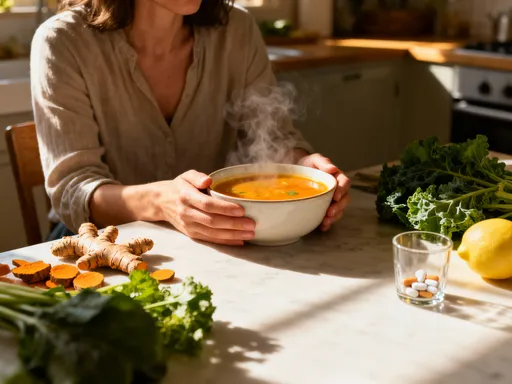
During this time, my main goal wasn’t perfection—it was survival. I had to let go of the idea that every meal needed to be balanced or Instagram-worthy. Instead, I focused on what I could tolerate. Ginger tea became my best friend. Sipping it slowly helped settle my stomach, and studies support its effectiveness in reducing nausea. Dry toast, saltine crackers, and plain rice were staples. Cold foods, like apple slices, yogurt, or chilled melon, were often easier to keep down than hot, aromatic meals. I ate small amounts every two to three hours to maintain blood sugar and avoid triggering nausea from an empty stomach.
Hydration was another battle. The thought of drinking a full glass of water could make me gag. To work around this, I sipped fluids slowly throughout the day. I found that cold water with a slice of lemon or diluted fruit juice was more palatable. Herbal teas, coconut water, and even frozen fruit pops provided both fluids and a bit of comfort. Electrolyte drinks, without excessive sugar, helped prevent dehydration during particularly rough days.
One of the most important lessons I learned was to be kind to myself. I didn’t need to eat a perfect prenatal diet every single day. As long as I was getting *some* nutrition and staying hydrated, my baby was likely getting what it needed. My doctor reassured me that short-term food aversions and reduced appetite in the first trimester are common and rarely harmful. What mattered most was consistency over time—not perfection in the moment. By the start of the second trimester, my nausea eased, my appetite returned, and I was able to rebuild my eating habits with greater confidence.
Building a Pregnancy Plate – A Practical, Everyday Framework
Once my morning sickness passed, I wanted a simple, repeatable way to structure my meals. I didn’t need complicated rules or rigid meal plans—just a clear, flexible framework. That’s when I adopted the concept of the pregnancy plate: a visual guide to balanced eating that I could apply to any meal, any day. The model was straightforward—50% non-starchy vegetables, 25% lean protein, and 25% whole grains or starchy vegetables.
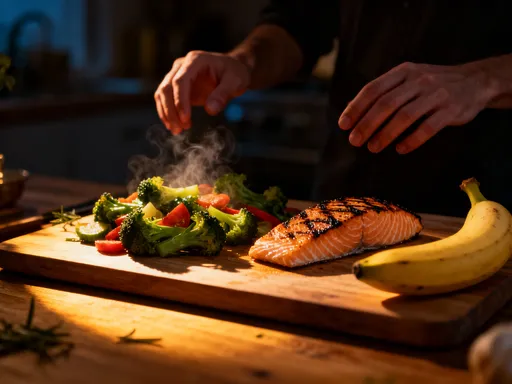
This approach ensured I was getting fiber, vitamins, protein, and complex carbohydrates in every bite. For breakfast, I might have scrambled eggs with spinach and tomatoes (protein and vegetables) alongside a slice of whole-grain toast (whole grain). A mid-morning snack could be Greek yogurt with berries and a sprinkle of chia seeds. Lunch often included a large salad with mixed greens, grilled chicken, chickpeas, and a vinaigrette dressing, plus a small serving of quinoa. Dinner rotated between baked salmon with roasted broccoli and sweet potato, or stir-fried tofu with brown rice and sautéed bok choy.
Meal prep became a lifesaver. On Sundays, I’d roast a tray of vegetables, cook a batch of quinoa, and grill a few chicken breasts. Having these components ready made assembling meals during the week quick and stress-free. I stored portions in glass containers, which made it easy to grab a balanced lunch or reheat dinner after a long day. I also kept healthy snacks on hand—hard-boiled eggs, cut-up vegetables with hummus, nut butter packets, and trail mix—so I wouldn’t reach for processed options when hunger struck.
What I appreciated most about this framework was its adaptability. Some days, my appetite was huge; other days, even a small meal felt like too much. The plate model allowed me to scale up or down without losing nutritional balance. If I wasn’t in the mood for grains, I’d add an extra serving of vegetables or a healthy fat like avocado. If protein felt heavy, I’d choose a lighter option like cottage cheese or a smoothie with protein powder. This flexibility prevented burnout and made healthy eating sustainable, not stressful.
Foods to Approach with Caution – Safety Over Assumptions
Pregnancy brought a lot of food-related anxiety, especially around what I “shouldn’t” eat. Lists of banned foods—soft cheeses, deli meats, raw eggs, certain fish—were everywhere, but they often lacked context. I spent too much time worrying about accidental exposures until I learned that preparation and sourcing matter more than outright elimination. The goal isn’t fear—it’s informed caution.
Take soft cheeses, for example. The concern isn’t the cheese itself, but the risk of listeria, a bacteria that can cause serious complications. However, most soft cheeses sold in the U.S. are made from pasteurized milk, which significantly reduces that risk. I learned to check labels and avoid only those made from unpasteurized milk, which are rare in mainstream grocery stores. Similarly, deli meats can carry listeria, but heating them until steaming hot kills the bacteria. So instead of cutting them out completely, I’d warm my turkey sandwich until the meat was piping hot—a small step that made a big difference.
Seafood was another area where fear nearly overshadowed benefit. Yes, some fish contain high levels of mercury, which can affect fetal brain development. But avoiding all fish means missing out on vital DHA and protein. The solution? Choose low-mercury options like salmon, shrimp, cod, and canned light tuna, and limit albacore tuna to no more than 6 ounces per week. I also made sure to cook seafood thoroughly to eliminate any risk of foodborne illness.
Raw or undercooked eggs, often found in homemade Caesar dressing or cookie dough, posed a salmonella risk. My workaround? I used pasteurized eggs for recipes that called for raw eggs, or I simply avoided those dishes altogether. When dining out, I didn’t hesitate to ask how foods were prepared. Most restaurants were happy to accommodate. The bigger lesson was this: instead of panicking over every potential risk, I learned to consult my doctor when in doubt. Trusted medical advice was far more reliable than internet searches fueled by fear.
Long-Term Habits – How Pregnancy Diet Shapes Postpartum Health
One of the most unexpected gifts of mindful eating during pregnancy was how it supported my postpartum recovery. I had assumed that once the baby arrived, the focus would shift entirely to caring for the newborn—and in many ways, it did. But I quickly realized that my own energy, mood, and physical healing were just as important. The habits I built during pregnancy—eating balanced meals, staying hydrated, and listening to my body—became essential tools in the early months of motherhood.
For those who breastfeed, nutrition continues to play a vital role. Breast milk production requires additional calories and specific nutrients, including calcium, protein, and DHA. Because I had already established a routine of eating nutrient-dense foods, transitioning into this phase felt natural. I continued to prioritize meals that included protein, healthy fats, and complex carbohydrates, which helped maintain my milk supply and prevented the energy crashes that can come from skipping meals or relying on sugary snacks.
My mood also benefited from consistent nutrition. Postpartum hormonal shifts are intense, and blood sugar fluctuations can worsen irritability and fatigue. By eating regularly and avoiding long gaps between meals, I was better equipped to handle the emotional ups and downs. Foods rich in omega-3s, B vitamins, and magnesium—like fatty fish, whole grains, nuts, and leafy greens—supported both physical and mental well-being.
Perhaps the most lasting change was my mindset. I no longer saw healthy eating as a temporary phase tied to pregnancy, but as a lifelong foundation. I didn’t jump into extreme diets or try to “lose the baby weight” quickly. Instead, I focused on nourishing my body, healing at my own pace, and modeling healthy habits for my child. The choices I made during pregnancy weren’t about achieving a certain look—they were about building resilience, strength, and balance that would serve me for years to come.
Pregnancy doesn’t require a diet overhaul—just a thoughtful upgrade. By focusing on real food, informed choices, and self-awareness, I built habits that supported my baby and myself long after delivery. This journey wasn’t about perfection; it was about progress. And that’s a gift worth passing on.