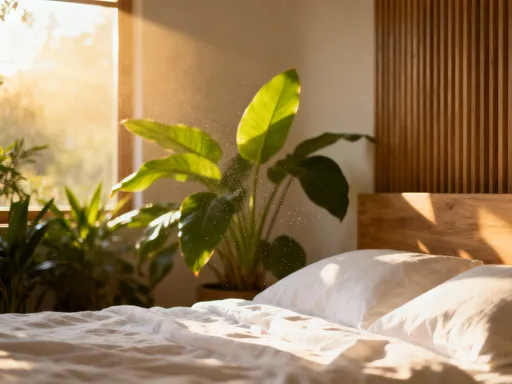
How I Healed Myself by Fixing My Environment
For years, I felt stuck—low energy, constant stress, and slow recovery from everyday illnesses. I tried diets, workouts, even supplements, but nothing brought lasting change. Then I realized: my surroundings were holding me back. After overhauling my home and daily environment, everything shifted. This is the full story of how small, science-backed changes to my space transformed my health, mood, and recovery process—from air quality to lighting, clutter to nature.
The Hidden Impact of Environment on Health
Most people assume that health is determined by genetics, diet, and exercise. While these factors are important, they don’t operate in isolation. The environment in which we live, work, and rest plays a silent but powerful role in shaping our physical and mental well-being. Scientific studies have shown that environmental conditions can either support or undermine the body’s ability to heal, regulate stress, and maintain energy. Poor indoor air quality, constant exposure to artificial light, high noise levels, and visual clutter are all examples of environmental stressors that contribute to chronic fatigue, weakened immunity, and emotional imbalance.
Indoor air pollution, for instance, is often two to five times worse than outdoor air pollution, according to the U.S. Environmental Protection Agency. Many homes contain volatile organic compounds (VOCs) released from furniture, cleaning products, paints, and synthetic air fresheners. These chemicals can trigger headaches, respiratory issues, and even long-term neurological effects. Dust mites, pet dander, and mold spores further compromise air quality, especially in poorly ventilated spaces. At the same time, constant background noise—from traffic, appliances, or electronic devices—activates the body’s stress response, increasing cortisol levels and reducing the capacity for deep rest.
Lighting is another often-overlooked factor. The overuse of blue-enriched artificial light, especially in the evening, disrupts the production of melatonin, the hormone responsible for sleep regulation. This misalignment of circadian rhythms has been linked to insomnia, depression, and slower tissue repair. Similarly, cluttered spaces create cognitive overload. Research from Princeton University Neuroscience Institute shows that visual clutter reduces the brain’s ability to focus and process information efficiently, leading to increased anxiety and decision fatigue. When the body is constantly reacting to these subtle environmental stressors, it diverts energy away from healing and repair—making recovery from illness or injury slower and more difficult.
The truth is that the human body evolved in natural environments—surrounded by fresh air, natural light, greenery, and quiet. Modern indoor environments, by contrast, are often far removed from these conditions. As a result, many people live in a state of low-grade, chronic stress without realizing it. This constant strain wears down the immune system, disrupts hormonal balance, and impairs mental clarity. Recognizing this connection was the first step in my own healing journey. I began to see that true wellness wasn’t just about what I ate or how much I exercised—it was also about the quality of the space I occupied every day.
Why Traditional Rehab Methods Fall Short
Rehabilitation programs, whether for physical injury, mental health challenges, or chronic illness, typically focus on treating the individual—through medication, therapy, or physical exercises. While these approaches are essential and often effective, they frequently overlook a critical component: the environment in which recovery takes place. A person may follow a perfect rehabilitation protocol, yet still struggle to heal if their home is filled with toxins, noise, and psychological stressors. The gap in traditional rehab lies in its narrow focus on the body or mind, without addressing the context in which healing occurs.
Consider someone recovering from burnout or chronic fatigue. They may be advised to meditate, eat well, and get enough sleep—but what if their bedroom has poor ventilation, artificial lighting, and a desk cluttered with unfinished tasks? These environmental cues send subtle signals of stress and urgency, making true rest nearly impossible. Similarly, a person recovering from surgery may be told to rest, but if their living space is chaotic or uncomfortable, the body remains in a state of low-level alertness, slowing tissue repair and immune function.
This is where the concept of ecological healing becomes essential. Ecological healing is the idea that health is not just an internal process but a dynamic interaction between the individual and their environment. It recognizes that healing spaces matter as much as healing practices. When the environment supports relaxation, clarity, and safety, the body can shift from a state of survival to one of restoration. This doesn’t mean abandoning medical treatments or therapies—it means enhancing them by creating conditions that make healing more efficient and sustainable.
For example, hospitals are beginning to incorporate biophilic design—using natural light, greenery, and calming colors—to improve patient recovery times. Studies have shown that patients with views of nature require less pain medication and are discharged sooner than those with views of urban landscapes. This evidence underscores a simple truth: healing is not just something we do—it’s something we create through our surroundings. By expanding the definition of rehabilitation to include environmental design, we unlock a powerful, often untapped resource for long-term wellness.
Air Quality: The First Step to Faster Recovery
One of the most immediate and impactful changes I made was improving the air quality in my home. Clean air is fundamental to health—it supports oxygen delivery to cells, enhances cognitive function, and strengthens immune defenses. Yet, most people spend up to 90% of their time indoors, breathing air that can be significantly more polluted than outdoor air. The presence of VOCs, mold, dust, and synthetic fragrances creates a toxic burden that the body must constantly work to eliminate, draining energy and impairing recovery.
I started by identifying the sources of indoor pollution in my home. Common culprits included scented candles, air fresheners, cleaning sprays, and new furniture made with pressed wood or synthetic finishes. I replaced chemical cleaners with natural alternatives like vinegar, baking soda, and castile soap. I switched to fragrance-free laundry detergents and avoided aerosol products altogether. I also invested in a high-efficiency particulate air (HEPA) filter for my bedroom, which significantly reduced airborne allergens and improved my sleep quality.
Natural ventilation became a daily habit. I opened windows every morning, even in winter, to allow fresh air to circulate and dilute indoor pollutants. Cross-ventilation—opening windows on opposite sides of the house—proved especially effective in flushing out stale air. I also introduced houseplants known for their air-purifying qualities, such as spider plants, peace lilies, and snake plants. NASA’s Clean Air Study found that certain plants can remove up to 87% of indoor air toxins within 24 hours, making them a simple, low-cost way to enhance air quality.
The results were noticeable within weeks. My allergy symptoms—runny nose, itchy eyes, and post-nasal drip—diminished. I experienced fewer headaches and felt more mentally alert during the day. Most importantly, I began to sleep more deeply and wake up feeling refreshed. Clean air didn’t just support my physical health—it created a calmer, more peaceful atmosphere that made it easier to relax and recover. For anyone looking to improve their well-being, optimizing air quality is a foundational step that delivers immediate and lasting benefits.
Lighting and Circadian Rhythm: Resetting Your Body Clock
Light is one of the most powerful regulators of human biology. It influences hormone production, body temperature, sleep-wake cycles, and even mood. Yet, modern lifestyles often disconnect us from natural light patterns. We wake up in dim rooms, spend hours under fluorescent lights, and end the day bathed in the blue light of screens—all of which disrupt the body’s internal clock, or circadian rhythm.
Circadian misalignment has serious consequences. When the body doesn’t receive strong light cues at the right times, it struggles to regulate melatonin and cortisol. This leads to difficulty falling asleep, poor sleep quality, daytime fatigue, and increased susceptibility to stress. Over time, disrupted circadian rhythms have been linked to a higher risk of metabolic disorders, depression, and impaired immune function—all of which slow recovery from illness or injury.
To realign my circadian rhythm, I made a few key changes. First, I began exposing myself to natural sunlight within 30 minutes of waking. Even on cloudy days, outdoor light is much brighter than indoor lighting and helps signal to the brain that it’s time to be awake. I started taking short morning walks or simply sitting by a window with my eyes open (without sunglasses) to absorb the light. This simple habit boosted my daytime energy and made it easier to fall asleep at night.
In the evening, I reduced exposure to blue light. I enabled night mode on my devices, which shifts screen colors to warmer tones after sunset. I also replaced cool-white LED bulbs with warm-white or amber-colored lights in my living areas and bedroom. Candles and salt lamps became my preferred sources of evening lighting. These changes helped my body produce melatonin naturally, leading to deeper, more restorative sleep.
The impact on my recovery was profound. With better sleep and more stable energy levels, my body had more resources to repair tissues, fight off infections, and regulate mood. I no longer experienced the afternoon crashes that used to leave me exhausted. By syncing my daily routine with natural light patterns, I created a biological rhythm that supported healing rather than hindered it.
Decluttering for Mental and Physical Recovery
Clutter is more than just a visual nuisance—it’s a psychological burden. A cluttered environment sends constant signals of unfinished tasks, disorganization, and chaos, which activate the stress response in the brain. Studies have shown that women who describe their homes as cluttered have higher levels of cortisol, particularly in the afternoon and evening. This chronic stress impairs immune function, disrupts sleep, and reduces mental clarity—all of which slow recovery.
I approached decluttering not as a cleaning task, but as a therapeutic process. I adopted a simple four-step method: sort, discard, organize, and maintain. First, I sorted items by category—clothing, books, kitchenware, paperwork. Then, I asked myself whether each item served a purpose, brought joy, or was truly needed. Anything that didn’t meet these criteria was donated, recycled, or discarded. I organized the remaining items in designated spaces, using storage bins and labels to create order. Finally, I established a daily five-minute tidy-up routine to prevent clutter from accumulating again.
The emotional shift was immediate. My home felt calmer, more spacious, and more peaceful. I noticed that I could think more clearly and make decisions more easily. My anxiety levels dropped, and I felt more in control of my life. The physical space reflected a mental shift—less clutter meant less mental noise. This clarity allowed me to focus on healing without the constant background stress of disorganization.
Decluttering also made it easier to maintain healthy habits. With a clean kitchen, I was more likely to cook nutritious meals. A tidy bedroom became a sanctuary for rest. A clear workspace supported focused, productive time without distraction. By removing physical clutter, I created space for mental and physical recovery to take root.
Bringing Nature Indoors: The Healing Power of Biophilia
Biophilia—the innate human connection to nature—has profound implications for health and recovery. Research consistently shows that exposure to natural elements reduces stress, lowers blood pressure, and enhances immune function. Even brief interactions with nature, such as looking at trees or listening to birdsong, can lower cortisol levels and improve mood. In rehabilitation settings, access to green spaces has been shown to accelerate healing and reduce pain perception.
I brought nature into my home in simple, accessible ways. I placed potted plants throughout my living areas, focusing on low-maintenance varieties like pothos, aloe vera, and ZZ plants. I added a small tabletop fountain to create the soothing sound of running water. I incorporated natural materials—wood, stone, linen, and cotton—into my furniture and decor. Even framed nature photographs on the walls provided a sense of calm and connection.
The psychological benefits were immediate. My home felt more alive, more nurturing, and more peaceful. I found myself pausing more often to notice the growth of a new leaf or the play of light on a wooden surface. These small moments of presence reduced mental chatter and supported mindfulness. Physically, I noticed fewer respiratory issues and a greater sense of well-being.
For urban dwellers with limited access to outdoor green spaces, indoor biophilic design offers a practical solution. Even a single plant on a desk or a nature sounds playlist can make a difference. The key is consistency—regular exposure to natural elements, however small, helps the nervous system shift from stress to rest, creating optimal conditions for recovery.
Creating a Daily Routine That Supports Environmental Healing
Environmental healing isn’t a one-time project—it’s a daily practice. I designed a routine that reinforced the changes I had made, ensuring they became sustainable habits. Each morning began with opening the windows to let in fresh air and natural light. I drank a glass of water and spent five minutes outside, even if just on a balcony, to connect with the outdoors.
Throughout the day, I took short nature breaks—walking through a park, tending to houseplants, or simply gazing at the sky. I minimized screen time, especially in the evening, and used blue light filters when necessary. I maintained a clutter-free workspace and practiced a five-minute evening reset to tidy up and prepare for rest.
Dinner was eaten in a calm, screen-free environment, often by candlelight. Before bed, I followed a wind-down routine: reading a physical book, gentle stretching, and deep breathing. My bedroom remained a sanctuary—cool, dark, quiet, and free of electronic devices.
This routine wasn’t about perfection. There were days when I skipped a step or let clutter build up. But the goal was consistency, not flawlessness. Over time, these small habits created a rhythm that supported my body’s natural healing processes. I learned that environmental wellness is not about drastic overhauls, but about making intentional, sustainable choices that add up to lasting change.
Conclusion: Healing Is Environmental
My journey taught me that healing is not just an internal process—it is deeply shaped by the world around us. By transforming my environment, I transformed my health. Cleaner air, natural light, reduced clutter, and the presence of nature didn’t just make my home more pleasant—they became active tools in my recovery. These changes supported my body’s ability to rest, repair, and regenerate in ways that diets and supplements alone never could.
The long-term benefits have been profound. I now experience greater resilience, faster recovery from illness, and a more stable mood. I feel more present, more focused, and more at peace. My home is no longer just a place to live—it is a healing space, carefully designed to support well-being.
This doesn’t mean abandoning medical care or professional guidance. On the contrary, environmental healing works best when combined with expert support. But it does mean recognizing that our surroundings are not neutral—they are either helping us heal or holding us back. By taking control of our environment, we take a powerful step toward lasting health. True recovery begins not just with the body, but with the space it inhabits.