How I Finally Found Balance Without Burning Out
We’ve all been there—working late, skipping meals, feeling drained, and wondering why we’re so exhausted despite doing “everything right.” For years, I chased productivity at the cost of my health, until I started paying attention to simple signs my body gave me. Health monitoring isn’t about fancy gadgets or strict rules—it’s about listening. This is how I learned to balance work and well-being, one small, honest step at a time.
The Breaking Point: When Work Took Over (And My Body Fought Back)
There was a time when waking up already felt like losing a race. Mornings began with a groggy reach for the phone, checking emails before feet touched the floor. Breakfast was skipped more often than not, replaced by a rushed coffee. Days blurred into back-to-back meetings, unanswered messages, and an ever-growing to-do list that never seemed to shrink. The real turning point wasn’t one dramatic event—it was the slow, quiet accumulation of exhaustion that began to erode everything.
At first, the signs were easy to ignore. A little fatigue? Normal. Trouble falling asleep? Just stress. Irritability over small things? Blame it on being busy. But over time, these subtle signals grew louder. Sleep became shallow and restless. Concentration wavered, making even simple tasks feel overwhelming. Headaches became frequent, and a constant low-level tension settled into the shoulders and neck. Emotionally, there was a growing sense of detachment—like watching life unfold from behind glass.
What I didn’t realize then was that my body was sending clear messages. It wasn’t broken—it was responding to chronic imbalance. The expectation to be constantly available, to push through fatigue, and to equate long hours with dedication had taken a toll. This wasn’t a personal failing; it was a predictable outcome of a culture that glorifies overwork. The real failure wasn’t in feeling burned out—it was in ignoring the early warnings that could have changed the course.
Eventually, a routine doctor’s visit revealed elevated blood pressure and signs of adrenal fatigue—conditions often linked to prolonged stress. That moment was a wake-up call. No medication could fix the root cause. The solution wasn’t in doing more, but in learning how to pay attention. Health wasn’t something that happened in isolation from daily life; it was woven into every choice, every rhythm, every unmet need. And the first step toward healing wasn’t a drastic change, but simply beginning to notice.
What Is Health Monitoring—And Why It’s Not Just for Athletes
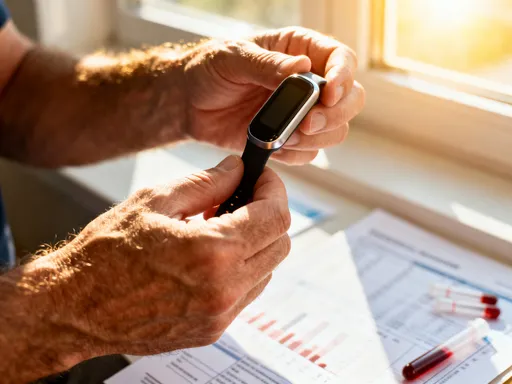
Health monitoring is often misunderstood as something reserved for elite athletes, people with chronic conditions, or those tracking fitness goals with wearable devices. In reality, it’s far more accessible and universal. At its core, health monitoring is the practice of observing and recording your body’s daily signals—energy levels, mood shifts, sleep quality, appetite, and physical sensations. It’s not about medical precision or achieving perfect metrics. It’s about building awareness of how your lifestyle choices affect your well-being over time.
You don’t need a smartwatch, an app subscription, or a lab test to start. What you do need is curiosity and consistency. For example, noticing that you feel sluggish every afternoon after eating a heavy lunch is a form of health monitoring. Recognizing that your mood improves after a morning walk is another. These observations, when recorded and reflected upon, begin to reveal patterns that are otherwise easy to miss in the rush of daily life.
Many women in their 30s, 40s, and 50s are managing multiple roles—professional responsibilities, household duties, caregiving for children or aging parents. In the midst of these demands, personal health often becomes an afterthought. But health monitoring isn’t another task to add to the list. It’s a way of integrating self-awareness into the existing rhythm of your day. When you start paying attention, you begin to see how sleep, nutrition, movement, and emotional stress are deeply interconnected.
Over time, these small insights become powerful. You might notice that poor sleep leads to sugar cravings the next day, which then affects energy and focus. Or that a tense work meeting leaves you with a tight jaw and shallow breathing. These are not isolated events—they are data points in a larger story about your health. By tracking them without judgment, you gain clarity on what supports your well-being and what depletes it. This kind of knowledge isn’t found in a single doctor’s visit; it’s built gradually, through daily attention and honest reflection.
The Mindset Shift: From “Pushing Through” to “Tuning In”
For much of my life, I believed that productivity was the ultimate measure of worth. If I was busy, I was valuable. If I was tired, I just needed to try harder. Rest felt like a luxury I couldn’t afford—or worse, like a sign of weakness. This mindset is deeply embedded in modern culture, especially for women who often feel pressure to excel in every role without asking for support. The idea of “pushing through” is celebrated, while slowing down is stigmatized.
The shift began when I realized that ignoring my body’s signals wasn’t strength—it was self-neglect. Every time I dismissed fatigue, skipped a meal, or worked through a headache, I was sending a message that my well-being didn’t matter. But health isn’t a resource to be drained; it’s the foundation everything else depends on. The real strength lies not in enduring discomfort, but in recognizing it and responding with care.
Tuning in required a redefinition of success. Instead of measuring the day by how much I accomplished, I began to ask different questions: How did I feel today? Did I have moments of calm? Was I able to focus without strain? Did I make space for something nourishing, even if small? These questions weren’t about perfection—they were about presence. They helped me move from a mindset of achievement to one of alignment.
Balance, I learned, isn’t about dividing time equally between work and life. That model assumes life is a series of compartments that can be neatly managed. In reality, balance is more like a rhythm—sometimes faster, sometimes slower, always adjusting. Some weeks demand more professional focus; others call for rest and recovery. The goal isn’t symmetry, but sustainability. And sustainability begins with listening—to your body, your emotions, and your energy.
Simple Tools That Actually Work (No Tech Required)
One of the most liberating realizations was that effective health monitoring doesn’t require expensive tools or complicated systems. In fact, the simpler the method, the more likely it is to stick. The key is to integrate observation into routines you already have, so it doesn’t feel like an added burden. The goal isn’t to collect data for its own sake, but to build a clearer picture of what supports your well-being.
A daily check-in is one of the most powerful tools. Set aside two minutes in the morning and evening to ask yourself a few simple questions: How is my energy? What is my mood? How did I sleep? Where do I feel tension? You can write these notes in a notebook, a journal, or even a notes app on your phone. The act of writing helps solidify awareness and creates a record you can look back on. Over time, patterns emerge—like noticing that weekends with more movement leave you feeling more grounded on Monday.
Mood journaling is another low-effort, high-impact practice. Instead of labeling emotions as “good” or “bad,” simply name them: tired, anxious, calm, joyful, overwhelmed. This builds emotional literacy and helps you recognize how external events affect your inner state. For example, you might see that back-to-back meetings often lead to irritability, or that a quiet morning with tea and no screens starts the day more peacefully.
Using a basic calendar to track energy levels can also be revealing. At the end of each day, note when you felt most alert and when you hit a slump. You might discover that your focus peaks in the late morning, making it the ideal time for demanding tasks. Or that afternoons are consistently low-energy, suggesting a need for a short walk or a lighter lunch. These insights allow you to work with your natural rhythm, not against it.
The most important principle is consistency over complexity. A single observation a day is more valuable than an elaborate system you abandon after a week. Small data, collected over time, leads to meaningful understanding. And understanding leads to better choices—not because you’re following a rigid plan, but because you’re responding to what your body is telling you.
Recognizing the Patterns: When Stress Hides in Plain Sight
Chronic stress doesn’t always announce itself with panic attacks or insomnia. Often, it hides in plain sight, disguised as normal fatigue, minor aches, or everyday irritability. These symptoms are so common that we learn to live with them, accepting them as the price of being busy. But they are not normal—they are signals that your nervous system is under sustained pressure.
Physical symptoms like frequent headaches, muscle tension, digestive discomfort, or frequent colds can all be signs of prolonged stress. Emotionally, you might notice increased impatience, difficulty concentrating, or a sense of emotional numbness. Behaviorally, stress can show up as skipping meals, reaching for caffeine or sugar, or withdrawing from social connections. These aren’t character flaws—they are coping mechanisms, often operating below the level of conscious awareness.
Tracking these signals helps uncover the triggers. For instance, I began to notice that days with no breaks between meetings left me with a tight chest and shallow breathing. Another pattern emerged around meal timing: skipping lunch led to an energy crash by 3 p.m., followed by a sugar craving that disrupted focus. Once I saw these connections, I could make informed adjustments—not out of guilt, but out of care.
One of the most revealing insights came from tracking mood and energy together. I expected my lowest energy to be at the end of the workday, but I discovered that my mood dipped most sharply on Sunday evenings—a sign of anticipatory anxiety about the week ahead. This wasn’t laziness; it was a signal that my transition between rest and work needed more intentional design. Simply acknowledging this pattern helped me create a calming Sunday evening ritual, which in turn improved Monday mornings.
Patterns also revealed the impact of small choices. For example, wearing comfortable shoes during long days reduced foot and back pain. Drinking water first thing in the morning improved mental clarity. These weren’t dramatic interventions, but they added up. The power of health monitoring lies in this accumulation of small truths—each one a step toward greater self-knowledge and resilience.
Making Adjustments That Stick—Without Adding More to Your Plate
Once you begin to see patterns, the natural next step is to make changes. But the goal isn’t to overhaul your life overnight. Sustainable change comes not from grand gestures, but from small, intentional shifts that fit into your existing routine. The focus should be on experimentation, not perfection. What works for one person may not work for another, and that’s okay.
One of the first adjustments I made was scheduling a 10-minute walk after lunch. It didn’t require extra time—just a reorganization of my break. This simple act improved digestion, boosted afternoon energy, and provided mental clarity. It also became a moment of mindfulness, a chance to step away from screens and reconnect with my surroundings. Over time, this small habit became non-negotiable, not because I forced it, but because I felt the difference.
Another effective change was shifting my work blocks. Instead of working straight through the morning, I began breaking tasks into 90-minute intervals with 15-minute breaks. During breaks, I stretched, stepped outside, or simply closed my eyes. This rhythm aligned with the body’s natural ultradian cycles—biological rhythms that regulate energy and focus throughout the day. The result was improved concentration and reduced mental fatigue.
Nutrition adjustments didn’t require a strict diet. Instead, I focused on consistency: eating within an hour of waking, including protein with every meal, and keeping healthy snacks on hand. These choices stabilized blood sugar, which in turn reduced energy crashes and mood swings. I didn’t eliminate treats—I simply made sure they weren’t the foundation of my energy.
The key to making changes stick is to tie them to existing habits. For example, pairing a five-minute breathing exercise with your morning coffee creates a natural anchor. Or placing a water bottle on your desk serves as a visual reminder to stay hydrated. These cues reduce the need for willpower, making it easier to maintain new behaviors. Health monitoring supports this process by providing feedback: when you feel better, you’re more likely to continue.
Most importantly, adjustments should never feel like punishment. The goal isn’t to add more rules, but to create space for what truly matters. When changes are guided by self-awareness rather than guilt, they become acts of self-respect. And self-respect is the foundation of lasting well-being.
Building a Sustainable Routine: How Balance Evolves Over Time
Balancing work and well-being isn’t a one-time achievement—it’s an ongoing practice. Just as seasons change, so do our energy levels, responsibilities, and needs. A routine that works in the summer may need adjustment in the winter. A strategy that supports you during a calm work period may not hold up during a busy season. The beauty of health monitoring is that it provides the flexibility to adapt.
Over time, I’ve learned to view my routine not as a rigid schedule, but as a living system. Some weeks, I need more rest. Others, I have surplus energy and can take on more. Instead of fighting these fluctuations, I’ve learned to work with them. This doesn’t mean abandoning structure—it means building one that breathes.
Monthly check-ins have become part of my practice. I review my notes, reflect on energy patterns, and ask: What’s working? What feels strained? What needs to change? These reflections help me make proactive adjustments rather than reactive fixes. For example, if I notice declining sleep quality, I might prioritize earlier bedtimes or reduce screen time before bed. If I feel emotionally drained, I might schedule more downtime or reach out for support.
The long-term benefits of this approach are profound. I have more consistent energy, sharper focus, and a greater sense of control over my time and choices. I’m less reactive to stress and more resilient when challenges arise. Most importantly, I feel more present—in my work, in my relationships, in my life. This isn’t because I’ve eliminated stress or achieved perfect balance. It’s because I’ve learned to listen, respond, and adjust with kindness and clarity.
True balance isn’t about doing more—it’s about noticing more. By tuning into my body’s signals, I didn’t just survive my workday; I started thriving in both my career and personal life. Health monitoring gave me the clarity to make kinder, smarter choices. You don’t need a perfect schedule or expensive tools. You just need to start paying attention. And if I can do it, so can you.