What If Your Plate Could Turn Back Time?
Ever wonder why some people just look younger than they are? I’m talking about that glow—not from filters, but from real, inside-out health. I used to think aging was just about wrinkles and birthdays, until I realized my diet was secretly speeding it up. What changed? A simple shift in what I eat. No extreme rules, no magic pills—just food choices that actually fight aging. And the results? More energy, clearer skin, and a feeling of vitality I didn’t expect. It turns out, the secret to slowing time might not be in a cream or a clinic, but on your plate. What if every bite could help you feel stronger, look brighter, and live with more joy—not just longer, but better?
The Hidden Link Between Food and Aging
At its core, aging is a biological process influenced far more by daily habits than by genetics. While birthdays are inevitable, the rate at which our bodies age is not. One of the most powerful levers we have is diet. The foods we eat directly affect the health of our cells, particularly through two key mechanisms: oxidative stress and chronic inflammation. Oxidative stress occurs when unstable molecules called free radicals outnumber the body’s ability to neutralize them. These free radicals damage DNA, proteins, and cell membranes, accelerating the wear and tear associated with aging. Meanwhile, chronic low-grade inflammation—sometimes referred to as “inflammaging”—is now recognized as a central driver of age-related decline, contributing to everything from stiff joints to slower recovery and duller skin.
What many don’t realize is that food can either fuel or fight these processes. Processed snacks, refined carbohydrates, and fried foods tend to increase oxidative stress and trigger inflammatory responses. In contrast, whole, nutrient-dense foods support the body’s natural defense systems. For example, plant-based foods rich in polyphenols help stabilize free radicals, while omega-3 fatty acids found in certain fish and seeds actively reduce inflammation. This means that aging is not just a matter of time—it’s a metabolic story shaped by what we eat. When we choose foods that protect our cells, we’re not just eating for today; we’re investing in how we’ll feel and look years from now.
The connection between diet and cellular aging is supported by growing scientific evidence. Studies have shown that people who follow diets high in fruits, vegetables, whole grains, and healthy fats tend to have longer telomeres—the protective caps on the ends of chromosomes that shorten with age. Longer telomeres are associated with slower biological aging and reduced risk of chronic disease. This isn’t about reversing time, but about creating conditions in the body where aging happens more gracefully. By understanding this hidden link, we shift from passive acceptance to active participation in how we age. Food, in this light, becomes more than fuel—it becomes a form of daily self-care with long-term consequences.
Why Most Diets Miss the Anti-Aging Mark
Many popular diets focus narrowly on weight loss, portion control, or digestive health, often overlooking the deeper goal of longevity. While losing excess weight can improve health, it doesn’t automatically mean the body is aging more slowly. A person can be thin and still suffer from high inflammation, poor energy, or early signs of metabolic decline. This disconnect reveals a critical flaw in how we approach eating: we prioritize appearance over cellular health. Calorie counting, for instance, tells us nothing about the quality of those calories. One hundred calories from a sugary snack can spike blood sugar and trigger inflammation, while 100 calories from nuts provide healthy fats, fiber, and antioxidants that support long-term vitality.
Similarly, macro tracking—focusing on protein, carbs, and fats—can be useful, but it doesn’t address the presence of phytonutrients, antioxidants, or anti-inflammatory compounds that play a crucial role in aging well. A diet high in processed proteins or refined grains may meet macro goals but still contribute to oxidative stress over time. Real-life examples illustrate this gap. Consider two women in their 50s: one follows a strict low-calorie plan, eats diet meals, and avoids fat, yet feels tired, has dry skin, and struggles with joint stiffness. The other eats moderate portions of whole foods—colorful vegetables, fatty fish, nuts, and olive oil—and reports steady energy, glowing skin, and better mobility. Both may weigh the same, but their biological age likely differs significantly.
The lesson is clear: anti-aging nutrition isn’t about restriction or hitting arbitrary numbers. It’s about choosing foods that nourish the body at the cellular level. Diets that ignore this principle may offer short-term results but fail to deliver lasting vitality. Instead of asking, “How many calories am I eating?” we should be asking, “What effect is this food having on my cells?” Shifting the focus from weight to wellness allows us to build an eating pattern that supports not just how we look, but how we feel and function over time. True anti-aging begins with this mindset change—seeing food as medicine for the long haul.
The Power of Antioxidant-Rich Eating (Without the Hype)
Antioxidants are often talked about in health circles, but what do they actually do? In simple terms, they help neutralize free radicals—unstable molecules produced naturally during metabolism and in response to environmental stressors like pollution or UV exposure. When free radicals accumulate, they damage healthy cells, a process linked to premature aging and chronic disease. Antioxidants act like bodyguards, donating electrons to stabilize these molecules and prevent cellular harm. This protective effect is especially important for the skin, brain, and cardiovascular system—areas highly sensitive to oxidative damage.
The good news is that many common, accessible foods are rich in antioxidants. Berries such as blueberries, strawberries, and blackberries are among the most potent sources, thanks to compounds like anthocyanins and vitamin C. Dark leafy greens like spinach and kale provide lutein and beta-carotene, which support skin clarity and eye health. Nuts, seeds, and even dark chocolate (in moderation) contain flavonoids that help reduce oxidative stress. These foods don’t need to be exotic or expensive—what matters is consistency. Regular, daily intake of antioxidant-rich foods leads to gradual improvements: brighter skin, sharper mental focus, and sustained energy levels.
It’s important to avoid exaggerated claims. Antioxidants are not a magic bullet, and no single food can reverse aging overnight. However, a diet consistently rich in these compounds creates a protective environment within the body. Research shows that people who consume a variety of colorful fruits and vegetables daily have lower markers of oxidative stress and report better overall well-being. The key is diversity—eating a rainbow of plant foods ensures a broad spectrum of antioxidants, each with unique benefits. Rather than chasing supplements or trendy superfoods, focus on building meals that include deep greens, vibrant reds, purples, and oranges. Over time, this simple habit becomes one of the most effective anti-aging strategies available—no gimmicks, just real food working quietly and effectively.
How Healthy Fats Become Your Skin’s Best Friend
For decades, fat was unfairly blamed for weight gain and heart disease, leading many to adopt low-fat diets. But science now shows that certain fats are essential for health, especially when it comes to aging well. Healthy fats, particularly omega-3 fatty acids and monounsaturated fats, play a vital role in maintaining skin elasticity, reducing inflammation, and supporting brain function. These fats are building blocks for cell membranes, helping them stay flexible and strong. When cells function optimally, the skin appears plumper, smoother, and more resilient to environmental damage.
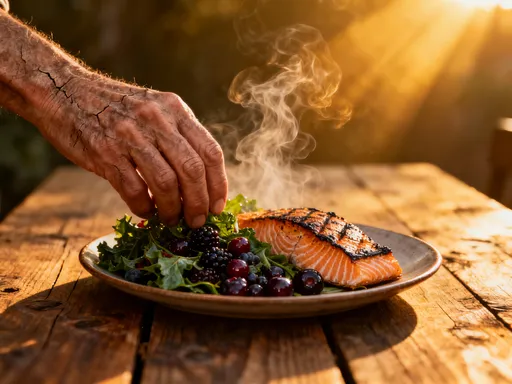
Omega-3s, found in fatty fish like salmon, mackerel, and sardines, are particularly effective at calming inflammation throughout the body. They also help retain moisture in the skin, reducing dryness and the appearance of fine lines. Plant-based sources like flaxseeds, chia seeds, and walnuts provide alpha-linolenic acid, a precursor to omega-3s that the body can convert, though less efficiently. Monounsaturated fats, abundant in avocados, olive oil, and almonds, support heart health and contribute to a radiant complexion. These fats also help the body absorb fat-soluble vitamins like A, D, E, and K—nutrients critical for skin repair and immune function.
Eliminating fat from the diet can backfire in anti-aging efforts. Without enough healthy fats, the skin may become dry and fragile, and the body struggles to regulate inflammation. Moreover, fat helps us feel full and satisfied, reducing the urge to snack on sugary or processed foods that accelerate aging. The goal isn’t to eat large amounts of fat, but to choose the right kinds and include them in balanced meals. A drizzle of olive oil on a salad, a few slices of avocado on whole grain toast, or a small serving of fatty fish twice a week can make a meaningful difference. Over time, these choices support not just outward appearance, but internal health—proving that fat, far from being the enemy, is a powerful ally in the quest to age with grace.
The Sugar Trap: How It Speeds Up Aging (Even When You Can’t See It)
Sugar is one of the most insidious accelerators of aging, and its effects go far beyond weight gain. When consumed in excess, sugar triggers a process called glycation, in which sugar molecules attach to proteins like collagen and elastin—the very fibers that keep skin firm and supple. Once damaged, these proteins become stiff and brittle, leading to wrinkles, sagging, and a loss of radiance. This process happens gradually and often goes unnoticed until visible signs appear, but the internal damage begins much earlier. High blood sugar levels, even in non-diabetic individuals, can promote glycation and increase oxidative stress, undermining long-term skin and metabolic health.
Beyond the skin, a high-sugar diet contributes to fatigue, mood swings, and increased inflammation. Many women in their 30s to 50s report afternoon energy crashes, which are often linked to blood sugar spikes and crashes from sugary snacks or refined carbohydrates. Over time, this pattern can lead to insulin resistance, a precursor to type 2 diabetes and a known factor in accelerated aging. The issue isn’t just obvious sweets like cakes and sodas—hidden sugars lurk in many processed foods, including sauces, breads, and so-called “healthy” bars. Reading labels and becoming aware of sugar content is a crucial step in breaking this cycle.
The solution isn’t about complete elimination, which can be unsustainable, but about mindful substitution and balance. Replacing sugary breakfast cereals with oatmeal topped with berries and nuts, or swapping soda for sparkling water with lemon, can reduce sugar intake without feeling deprived. Focusing on whole foods that naturally regulate blood sugar—like vegetables, legumes, and whole grains—helps maintain steady energy and reduces cravings. Over time, taste buds adjust, and the desire for intense sweetness diminishes. By stepping out of the sugar trap, women can reclaim their energy, improve their skin, and create a foundation for healthier aging—one less sweet bite at a time.
Building Your Daily Anti-Aging Plate: Simple, Sustainable Steps
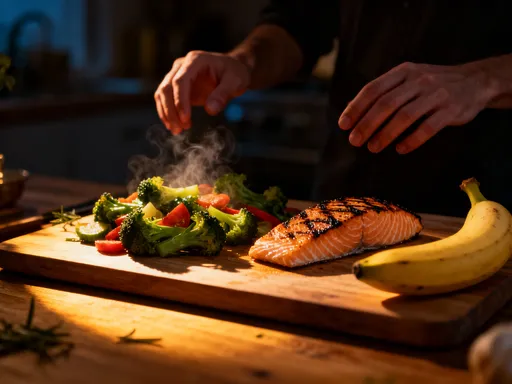
Creating an anti-aging diet doesn’t require complicated rules or expensive ingredients. The key is consistency and balance. A simple way to visualize this is by building a daily plate that includes a variety of colors, textures, and nutrients. Start with a base of colorful vegetables—dark greens, red peppers, carrots, and broccoli—which provide vitamins, fiber, and antioxidants. Add a source of quality protein such as beans, lentils, eggs, or fish, which support muscle maintenance and repair. Include a portion of healthy fats like avocado, olive oil, or a small handful of nuts to enhance nutrient absorption and keep skin hydrated. Finally, incorporate fiber-rich carbohydrates like quinoa, sweet potatoes, or brown rice to fuel energy and support digestion.
Timing also matters. Front-loading nutrients earlier in the day can help stabilize energy and prevent evening cravings. A breakfast rich in protein and healthy fats—such as scrambled eggs with spinach and a slice of whole grain toast with avocado—sets a strong metabolic tone. Lunch should be the largest meal, packed with vegetables and lean protein, while dinner can be lighter, focusing on easy-to-digest foods. Snacks, when needed, should combine protein and fiber—like apple slices with almond butter or Greek yogurt with berries—to keep blood sugar steady.
Perfection isn’t the goal; progress is. It’s more effective to eat well 80% of the time than to strive for an unattainable ideal. Small, sustainable changes—like adding one extra serving of vegetables per day or swapping butter for olive oil—accumulate into meaningful results over time. The anti-aging plate isn’t about deprivation; it’s about abundance—filling the body with the nutrients it needs to thrive. When women see food as a form of daily nourishment rather than a source of guilt, they build a healthier relationship with eating that supports lifelong well-being.
Beyond the Plate: Sleep, Stress, and the Bigger Picture
No diet, no matter how perfect, can fully counteract the effects of poor sleep and chronic stress. These lifestyle factors profoundly influence how we age, often undermining even the best eating habits. During deep sleep, the body repairs tissues, balances hormones, and clears out cellular waste. Without enough quality rest, inflammation increases, recovery slows, and the skin loses its ability to regenerate. Chronic stress, meanwhile, elevates cortisol levels, which can break down collagen, increase belly fat, and disrupt digestion. Over time, this creates a biological environment that accelerates aging from the inside out.
The good news is that food, sleep, and stress management work together. A nutrient-rich diet supports better sleep by stabilizing blood sugar and providing key vitamins like magnesium and B-complex, which regulate the nervous system. Calming practices such as evening walks, reading, or gentle stretching can improve sleep quality. Similarly, managing stress through mindfulness, deep breathing, or spending time in nature helps reduce cortisol and supports emotional balance. When women prioritize rest and mental well-being alongside healthy eating, they create a holistic foundation for aging well.
The message is not about perfection, but about daily choices. Aging is not something that happens to us—it’s something we influence every day through what we eat, how we rest, and how we care for our minds. There is no single miracle solution, but there is power in consistency. By making small, intentional decisions—choosing whole foods, getting enough rest, and finding moments of calm—women can age with strength, clarity, and joy. The goal isn’t to stop time, but to live each year with vitality. And that kind of beauty? It doesn’t fade—it deepens.