How I Finally Balanced My Lipids — A Real Body Reset Journey
For years, I ignored my rising lipid levels until a routine checkup shook me awake. It wasn’t just a number — it was a warning. What followed wasn’t a quick fix, but a deep, personal journey of body adjustment. I tested small daily changes, learned what actually works, and saw real shifts. This is an honest look at how lifestyle, not luck, transformed my health — and why it could matter for you too.
The Wake-Up Call: When Numbers Hit Home
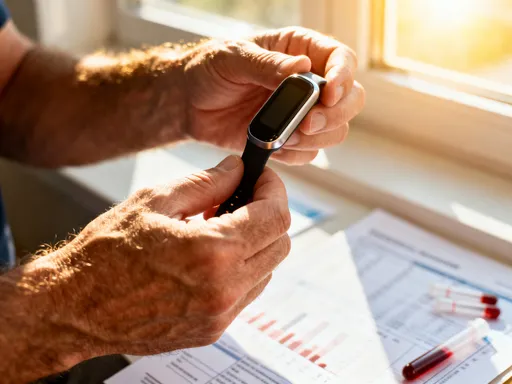
The moment came on an ordinary Tuesday morning. I sat in a quiet exam room, flipping through a magazine about home gardening, when the doctor walked in with my blood test results. Her tone was calm, but the words landed hard: "Your LDL cholesterol is high, and your triglycerides are borderline. We need to talk about heart health." I wasn’t prepared for that conversation. At 46, I considered myself fairly healthy — I didn’t smoke, I walked the dog daily, and I tried to eat vegetables. But the numbers didn’t lie. My total cholesterol was 240 mg/dL, well above the recommended 200. My LDL, the so-called "bad" cholesterol, was pushing 160. I remember staring at the paper, the tiny font and dense columns suddenly feeling like a verdict.
What struck me most wasn’t the diagnosis, but the realization that I’d been ignoring subtle signs. I’d been tired more often, especially in the afternoons. My clothes fit tighter around the waist, though I hadn’t gained much weight. I’d dismissed these as normal signs of aging or stress from work and family. But now, it was clear: my body had been sending signals for years, and I hadn’t listened. That day, I made a quiet promise to myself — not to panic, not to chase a miracle solution, but to understand what was happening and respond with care. This wasn’t just about avoiding medication; it was about respecting my body enough to act before a crisis occurred.
Many women in their 30s, 40s, and 50s face a similar turning point. Life gets busy — children, careers, aging parents — and personal health often slips to the bottom of the list. We accept fatigue as normal. We justify convenience foods as necessary. We tell ourselves we’ll "start next month." But lipid imbalances don’t announce themselves with pain or drama. They build silently, like rust in pipes, until one day the system falters. The good news? These changes are often reversible with the right approach. My journey began not with fear, but with curiosity — a willingness to look closely and adjust, one step at a time.
Understanding Lipids: What They Are and Why They Matter
Lipids are fats in the blood, primarily cholesterol and triglycerides. They’re essential for life — your body uses cholesterol to build cell membranes, produce hormones, and support brain function. Triglycerides store energy from the food you eat. Think of them like utilities in a home: electricity powers the lights, gas heats the water — necessary, but dangerous if uncontrolled. The problem isn’t the presence of lipids, but their balance. Too much of certain types, especially LDL cholesterol and triglycerides, can lead to plaque buildup in arteries, increasing the risk of heart disease and stroke.
A common misunderstanding is that "cholesterol is bad." In reality, not all cholesterol is the same. HDL, or "high-density lipoprotein," is often called "good" cholesterol because it helps remove excess cholesterol from the bloodstream and carries it back to the liver for processing. LDL, or "low-density lipoprotein," is "bad" because it can deposit cholesterol in artery walls, forming plaque over time. The goal isn’t to eliminate cholesterol, but to maintain a healthy ratio: higher HDL, lower LDL, and controlled triglycerides. This balance is especially important for women as they approach and go through menopause, when natural hormonal shifts can affect lipid levels.
Another myth is that eating cholesterol-rich foods, like eggs or shellfish, directly causes high blood cholesterol. For most people, dietary cholesterol has a smaller impact than once believed. The bigger culprits are refined carbohydrates, added sugars, and trans fats — ingredients common in processed and fast foods. The liver produces cholesterol based on signals from your diet and lifestyle, so what you eat, how you move, and how you rest all influence your lipid profile. Understanding this helped me shift from blame to empowerment: my body wasn’t broken; it was responding to the inputs I’d been giving it.
The Root Problem: Why Diets Fail and Bodies Resist
I started where many do — with a diet. I cut out red meat, avoided butter, and switched to low-fat dairy. I even tried a popular 30-day cleanse that promised to "reset" my system. At first, I felt lighter, more in control. But within weeks, my energy dipped, cravings returned, and my next blood test showed little improvement. I wasn’t alone. Research shows that most short-term diets fail to produce lasting change, not because people lack willpower, but because they don’t address the underlying systems that regulate metabolism.
The body is designed for survival, not aesthetics. When you drastically restrict calories or eliminate entire food groups, your metabolism slows down to conserve energy. Stress plays a major role too — chronic stress increases cortisol, a hormone that can raise blood sugar and triglyceride levels. Poor sleep disrupts insulin sensitivity, making it harder for the body to process fats efficiently. And a sedentary lifestyle means fewer calories burned and less activation of enzymes that help clear triglycerides from the blood. These factors work together, often without obvious symptoms, creating a perfect storm for lipid imbalance.
Modern life, with its long work hours, screen time, and convenience-driven eating, silently undermines metabolic health. A typical day might include a sugary coffee drink in the morning, a sandwich with processed meat for lunch, a vending machine snack in the afternoon, and a frozen dinner at night — all high in refined carbs and low in fiber. Add in limited physical activity and late-night scrolling, and it’s no wonder so many people struggle with their lipid numbers. The issue isn’t one bad meal; it’s the accumulation of small, repeated choices that signal the body to store fat and produce more LDL cholesterol. Real change requires more than a diet — it requires a shift in daily rhythm.
My 3-Phase Body Reset: Small Shifts, Real Results
After my failed attempts at quick fixes, I decided to take a different approach: not a diet, but a body reset. I focused on three phases — food awareness, movement integration, and rhythm restoration — each designed to work with my body’s natural systems, not against them. The goal wasn’t perfection, but consistency.
Phase 1: Food Awareness (Not Restriction)
I stopped trying to eliminate foods and started paying attention to patterns. I kept a simple journal for two weeks, noting what I ate, when, and how I felt afterward. I noticed that after eating white bread or sugary snacks, I’d feel sluggish within an hour. I also realized I was skipping breakfast, which led to overeating at lunch. My first change was simple: I began eating a balanced breakfast with protein, healthy fats, and fiber — like oatmeal with nuts and berries or scrambled eggs with avocado and whole grain toast. I also swapped afternoon chips for a handful of almonds or Greek yogurt. These weren’t "diet" foods; they were satisfying, real foods that kept my energy steady. Over time, my cravings for sweets decreased, and my triglyceride levels began to drop.
Phase 2: Movement Integration (Beyond Gym Culture)
I never liked gyms. The idea of forcing myself to run on a treadmill felt unsustainable. Instead, I focused on integrating more movement into my day. I started with 10-minute walks after meals, especially dinner. This simple habit helped lower my blood sugar response and supported fat metabolism. I took the stairs at work, parked farther from store entrances, and did short stretching sessions while watching TV. On weekends, I joined my family for hikes or bike rides. The key was consistency, not intensity. Over several months, I built up to 30 minutes of moderate activity most days. My HDL, the "good" cholesterol, began to rise — a sign that my cardiovascular system was responding positively.
Phase 3: Rhythm Restoration (Sleep, Stress, Routine)
I realized that no amount of healthy eating or exercise could compensate for poor sleep and constant stress. I set a digital curfew — no screens one hour before bed — and created a calming routine with herbal tea and light reading. I also started practicing mindfulness for 10 minutes each morning, focusing on my breath and setting an intention for the day. These changes reduced my evening anxiety and improved my sleep quality. I began waking up feeling refreshed, not groggy. Within months, my doctor noted improvements not just in my lipids, but in my blood pressure and overall vitality. The body, it turns out, thrives on rhythm and predictability.
The Science Behind the Shift: How Lifestyle Shapes Lipids
What made these changes work wasn’t magic — it was biology. When you increase your intake of soluble fiber, found in oats, beans, and fruits, it binds to cholesterol in the digestive system and helps remove it from the body, lowering LDL. Regular physical activity stimulates an enzyme called lipoprotein lipase, which helps clear triglycerides from the blood and boosts HDL production. It’s like giving your circulatory system a daily tune-up.
Sleep plays a crucial role too. During deep sleep, the body repairs tissues, balances hormones, and regulates metabolism. Poor sleep disrupts the production of leptin and ghrelin, hormones that control hunger, leading to increased appetite and cravings for high-fat, high-sugar foods. It also increases cortisol, which signals the liver to produce more glucose and triglycerides. By improving my sleep hygiene, I gave my body the chance to reset its internal chemistry.
Stress management is equally important. Chronic stress keeps the body in a constant state of "fight or flight," which over time can lead to inflammation and metabolic dysfunction. Mindfulness and breathing exercises help activate the parasympathetic nervous system, promoting relaxation and better metabolic regulation. Think of your liver as a control center — when it’s overwhelmed by stress signals, poor diet, and lack of sleep, it can’t process fats efficiently. When you reduce the load, it recalibrates, like a thermostat returning to its set point. My lipid improvements were a direct result of giving my body the right conditions to heal itself.
Beyond the Scale: Other Changes I Didn’t Expect
The most surprising part of my journey wasn’t the lower numbers on my blood test — it was how much better I felt overall. My energy levels stabilized. I no longer needed an afternoon nap or a second cup of coffee to get through the day. My thinking felt sharper, my focus clearer. I noticed I was more patient with my family, less reactive to small frustrations. These weren’t just mood improvements; they were signs of systemic healing.
The body is a network of interconnected systems. When you improve one area — like lipid metabolism — you often see ripple effects. Better blood flow supports brain function. Stable blood sugar prevents energy crashes. Reduced inflammation improves joint comfort and skin health. I began to sleep more deeply, wake up more easily, and feel more in tune with my body’s natural rhythms. I didn’t set out to improve my mood or mental clarity, but those benefits emerged naturally from the changes I made. It was a powerful reminder that health isn’t just the absence of disease — it’s the presence of vitality.
For women in midlife, these secondary benefits can be especially meaningful. As responsibilities pile up, it’s easy to feel drained, overwhelmed, or disconnected from oneself. Small, consistent health changes can restore a sense of agency and well-being. I didn’t become a different person — I became more myself, with more energy to engage in the life I love. The journey wasn’t about looking younger; it was about feeling stronger, clearer, and more resilient.
Staying on Track: Building Habits That Last
Change isn’t linear. There were weekends when I ate too much at a family gathering, nights when I stayed up too late, or weeks when my routine slipped. The difference now is how I respond. Instead of giving up or feeling guilty, I practice self-compassion. I remind myself that one meal or one bad night doesn’t erase progress. The goal isn’t perfection — it’s direction. I’ve learned to "reset" quickly by returning to my core habits: a healthy breakfast, a short walk, a mindful moment.
To make habits stick, I use simple strategies. I keep healthy snacks visible in the kitchen and remove temptations from the pantry. I schedule my walks like appointments, so they’re harder to skip. I practice "habit stacking" — linking new behaviors to existing ones, like doing leg lifts while brushing my teeth or stretching after turning off the TV. I also involve my family, making healthy eating and activity a shared priority. These small design choices make consistency easier.
Most importantly, I’ve shifted my mindset. Health is no longer a project with an end date — it’s a lifelong practice. It’s not about deprivation or punishment; it’s about giving my body the care it deserves. I’ve learned to listen — to hunger cues, to energy levels, to the quiet signals my body sends. This journey hasn’t been about chasing a number on a scale or a lab report. It’s been about building a life that supports well-being, one small, sustainable choice at a time.
Lipid regulation isn’t just about avoiding disease — it’s about reclaiming vitality. My journey wasn’t about drastic overhauls but consistent, mindful adjustments. By listening to my body and making sustainable changes, I didn’t just lower numbers — I improved my entire well-being. This isn’t medical advice, but a personal truth: small steps, taken daily, can lead to profound shifts. Your body wants to balance — sometimes, it just needs the right support.