Sick of Lunch Breaks Eating Into Your Workday? How Food Delivery Apps Can Reclaim Your Time
We’ve all been there—staring at the clock, realizing it’s already 2 p.m., and you still haven’t eaten. You skip lunch, or worse, spend 30 minutes wandering the office kitchen, only to return to your desk with a sad sandwich and zero focus. I used to do that too—until I started using food delivery apps not just for convenience, but as a real productivity tool. It’s not about laziness; it’s about working smarter. These apps quietly reshaped my day, giving me back time, energy, and focus I didn’t know I’d lost. And if you’re juggling work, family, and personal goals, every saved minute counts. Let me show you how something as simple as ordering lunch can become a powerful act of self-care and efficiency.
The Hidden Cost of Midday Distractions
Have you ever noticed how a simple lunch break can spiral into a full-blown time sink? You step away from your desk with the best intentions—just 20 minutes to eat, recharge, and come back sharp. But then the cafeteria line is longer than expected. Or you walk to that café across the street only to find they’re out of your go-to salad. Maybe you spend ten minutes debating between soup or a wrap, then another fifteen waiting at the counter. By the time you sit down, half your break is gone—and so is your momentum.
This isn’t just about food. It’s about focus. Every time we interrupt deep work for a task as routine as eating, our brain has to shift gears. And shifting back isn’t instant. Research shows it can take up to 25 minutes to fully regain concentration after an interruption. So when lunch turns into a 45-minute detour of decision-making, waiting, and commuting, you’re not just losing mealtime—you’re losing mental clarity, productivity, and peace of mind.
For women in their 30s to 50s—many of us balancing careers, households, and personal growth—this kind of time leak hits harder. We don’t just lose minutes; we lose the chance to finish that proposal, call the school, or even take five to breathe. I remember weeks when I’d look up at 6 p.m. and realize I hadn’t eaten a proper meal all day. Not because I didn’t care, but because every small pause felt like a luxury I couldn’t afford. That’s when I realized: the problem wasn’t my schedule. It was how I was managing the small things.
And here’s the truth no one talks about: skipping lunch doesn’t make you more productive. It makes you hangry, foggy, and more likely to make mistakes. The constant low-grade stress of rushing, deciding, and waiting wears you down. Over time, those midday micro-stresses add up to burnout. But what if you could keep your focus, eat well, and actually enjoy a break—without leaving your desk? That’s where technology, used wisely, becomes a lifeline.
From Craving to Click: How Apps Simplify Decision-Making
Let’s talk about decision fatigue—the invisible tax our brains pay every time we make a choice. By midday, you’ve already decided what to wear, what to prioritize at work, maybe what to pack for the kids’ lunches. Now, on top of that, you have to pick what to eat? No wonder so many of us default to whatever’s fastest or closest, even if it’s not what we really want.
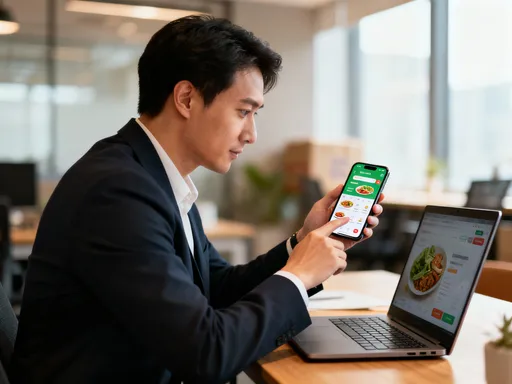
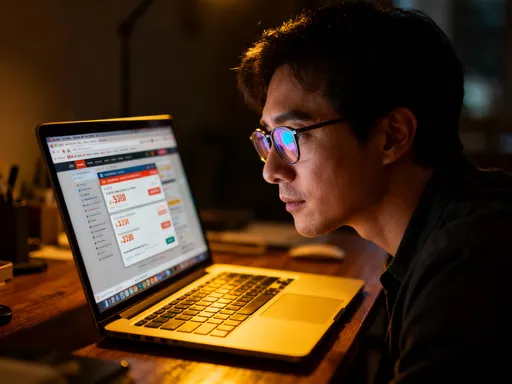
Food delivery apps help by turning a complex decision into a one-tap habit. Think about it: instead of opening five browser tabs to compare menus, you open an app and see your favorite Mediterranean bowl already loaded, with your usual modifications—no onions, extra hummus. Or maybe you’ve saved three healthy options that fit your dietary preferences, so you can rotate without overthinking. That’s not laziness. That’s smart design meeting real life.
I used to spend ten minutes every day just staring at menus, feeling overwhelmed. Then I set up my profile with filters: vegetarian, under 600 calories, ready in 30 minutes or less. Now, when hunger hits, I don’t have to think. I scroll through a shortlist of meals that already align with my goals. It’s like having a personal assistant who knows my tastes and my time crunch.
And here’s something subtle but powerful: when you reduce mental load in small ways, you free up energy for what matters. That mental space you save by not debating between sushi and soup? It’s the same space you use to craft a thoughtful email, plan a family dinner, or simply stay calm during a hectic afternoon. These apps don’t just deliver food—they deliver clarity. They turn a moment of stress into a moment of ease. And for someone who’s constantly making decisions for everyone else, that’s priceless.
Time Reclaimed: What 30 Extra Minutes a Day Can Do
Let’s do a little math. If you save just 25 minutes a day by skipping the lunch line, walking to a restaurant, or waiting for takeout, that’s over two hours a week. Over a month, that’s nearly a full workday—9.5 hours—gained back. What could you do with an extra day every month?
Maybe it’s finishing a project without rushing at the last minute. Maybe it’s calling your mom without feeling guilty about timing. Or perhaps it’s finally starting that online course you’ve been meaning to take. For me, those minutes became the difference between scrambling to meet deadlines and actually feeling ahead of schedule. I started using the time to review my to-do list, respond to personal emails, or just sit quietly with my lunch instead of eating at my keyboard.
The real power isn’t in the time saved—it’s in how consistently you can use it. When you know your lunch is coming and you don’t have to plan around it, you can block your day more intentionally. You can schedule deep work sessions knowing you won’t be interrupted. You can take a real break, even if it’s just 15 minutes to step outside and eat mindfully. And when your day ends, you’re not drained from constant context-switching. You’re calmer, more accomplished, and more in control.
I’ve had friends tell me, “I don’t have time to cook, but I don’t want to eat out every day.” The truth is, food delivery isn’t about replacing home cooking—it’s about filling the gaps wisely. On the days when dinner prep feels impossible, ordering a balanced meal means you’re not reaching for frozen pizza out of exhaustion. It’s not indulgence. It’s sustainability. And when you’re a woman managing a household, sustainability isn’t a luxury—it’s survival.
Seamless Integration with Daily Work Routines
The best tools don’t disrupt your life—they fit into it. That’s why I love how food delivery apps can sync with the rhythms of my workday. I don’t just order when I’m hungry. I plan it. I set a reminder for 11:45 a.m. to place my order so it arrives right when I need a break—usually after a focused work block. That way, lunch becomes part of my flow, not a derailment.
Some apps even let you schedule deliveries in advance. On busy mornings, I’ll pre-order my lunch while making coffee. By the time I finish my meeting, my food is at the door. No decision-making, no waiting, no guilt. It’s like meal prep for the real world—flexible, forgiving, and totally doable.
And here’s a trick I’ve learned: pair your delivery with a mini-reset. Instead of eating at your desk, open the door, say hi to the delivery person, and take your meal to a different room. Even a change of scenery—your living room, a park bench, the balcony—can refresh your mind. I often eat outside with a podcast, and that 20-minute break becomes my daily dose of calm. It’s not just about eating. It’s about recharging.
For working moms or caregivers, this kind of intentionality is transformative. You’re not just feeding yourself—you’re honoring your time and energy. And when you model that for your family, you’re teaching them that self-care isn’t selfish. It’s necessary. The app isn’t doing the emotional work—it’s making space for you to do it.
Boosting Energy and Focus Through Better Eating Habits
We all know that what we eat affects how we feel. But when you’re busy, healthy eating often falls to the bottom of the list. You grab whatever’s fastest, even if it leaves you sluggish by 3 p.m. I used to rely on office snacks—crackers, granola bars, maybe a piece of fruit—only to crash hard an hour later. My focus would fade, my mood would dip, and I’d end the day feeling like I’d barely kept up.
Since I started using delivery apps more intentionally, I’ve noticed a shift. Because I can see full menus, read descriptions, and filter for nutritious options, I’m making better choices without extra effort. I order grain bowls, veggie-packed stir-fries, or soups with lean protein—meals that keep me full and focused. And because I order ahead, I’m not making decisions on an empty stomach, when impulse wins every time.
The result? Fewer energy crashes. More steady concentration. I’m not bouncing off caffeine or sugar. I’m working at a sustainable pace. And that makes a huge difference in how I show up—for my job, my family, myself.
Think of it this way: food delivery apps aren’t just about convenience. They’re wellness tools in disguise. By lowering the barrier to healthy eating, they help you build better habits without burnout. You’re not forcing yourself to meal prep seven days a week. You’re creating a system that supports you on the days you’re tired, overwhelmed, or just out of time. And that’s how real change happens—not through perfection, but through practical, repeatable choices.
Shared Orders and Team Efficiency
One of the most underrated benefits of food delivery apps? They make group lunches effortless. I used to dread team meetings that required food—someone had to leave early, run to a restaurant, carry heavy bags back, and hope nothing spilled. It was always the same few people volunteering, and it never felt fair.
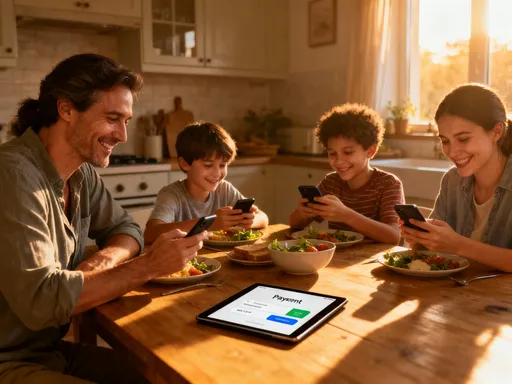
Now, we use group ordering features. One person creates the order, shares the link, and everyone adds what they want. The food arrives together, hot and organized, with no one playing delivery person. It saves time, reduces stress, and actually makes team lunches something people look forward to.
But it’s not just about convenience. It’s about equity. When no one has to sacrifice their time or energy to feed the group, it feels more inclusive. I’ve seen quieter team members participate more because they can order exactly what they want, not just what’s easiest to carry. And for working moms on the team, it means they can stay focused during the day instead of running errands for everyone else.
There’s also something bonding about sharing a meal, even if it’s delivered. We still gather, we still talk, we still laugh. The food just shows up without the hassle. And in a world where women often take on the invisible labor of organizing and nurturing, this small shift feels revolutionary. It’s not just about lunch. It’s about reclaiming time and energy in a collective way.
Redefining Workday Boundaries—Without Burnout
At the end of the day, we’re not just trying to get more done. We’re trying to feel more like ourselves. We want to be present at work, present at home, and present in our own lives. But constant time pressure makes that nearly impossible. We’re always rushing, always behind, always giving from an empty cup.
That’s why I see food delivery apps as more than tech tools—they’re allies in building a gentler, smarter way of living. They don’t eliminate stress, but they reduce the tiny friction points that wear us down. They help us eat better, think clearer, and protect our time. And when we protect our time, we protect our energy. And when we protect our energy, we show up stronger—for our careers, our families, and our dreams.
You don’t have to be a tech expert to benefit from this. You just have to be someone who values your time and your well-being. You don’t have to use these apps every day. But when you do, let it be a conscious choice—a small act of self-respect. Let it be the moment you say, “I deserve to eat well. I deserve to focus. I deserve to take a real break.”
Because here’s the truth: productivity isn’t about doing more. It’s about doing what matters—with presence, with care, with joy. And sometimes, the simplest tools open the most meaningful doors. So the next time you’re staring at the clock, hungry and overwhelmed, remember: you don’t have to choose between eating and working. With a little help from technology, you can do both—better, easier, and on your own terms.