From Guessing My Feelings to Truly Knowing Them: How One App Brought Calm to My Chaotic Days
Have you ever felt overwhelmed but couldn’t quite name why? I used to brush off my mood swings as “just stress” until I started using a simple mood tracker. It didn’t fix everything overnight, but over time, it helped me see patterns I’d been blind to—like how poor sleep quietly fueled my anxiety. This isn’t about data overload; it’s about gaining quiet, everyday clarity. I didn’t need a dramatic intervention or a complicated plan. What I needed was just one small, consistent way to check in with myself. And that’s exactly what this little app gave me—a space to pause, reflect, and finally understand the rhythm of my own emotions.
The Day I Realized I Wasn’t Okay
I remember the exact moment I knew something was off. I was standing in my kitchen, staring at a pile of dishes, and all I could think was, Why can’t I just do this one thing? I wasn’t crying, I wasn’t shouting—just numb. My daughter asked me a simple question, and instead of answering, I snapped. Immediately, guilt flooded in. I wasn’t angry at her. I wasn’t even angry at the dishes. I just felt… hollow. That moment wasn’t the first time I’d felt that way, but it was the first time I admitted it to myself. On the outside, I looked fine. I was showing up—making meals, getting the kids to school, keeping the house running. But inside, I was running on fumes. I thought I was managing, but really, I was just surviving. And the worst part? I had no idea what was draining me. Was it work? Was it motherhood? Was it the constant juggling of everything with no time to breathe? I didn’t know. I just knew I wasn’t myself.
That night, I sat on the edge of my bed, too tired to even change out of my clothes, and I finally asked the question I’d been avoiding: Am I okay? And the honest answer was no. Not really. I wasn’t depressed in a clinical sense—no doctor would have prescribed medication based on how I felt. But I was emotionally worn down. I was irritable with my family, impatient with myself, and I’d stopped doing the things that used to bring me joy, like reading or walking in the park. I told myself it was just a busy season. Everyone gets tired. But deep down, I knew this wasn’t just fatigue. It was a slow erosion of my emotional reserves. And because I hadn’t been paying attention, I had no idea how to fix it. I didn’t know where to start. That’s when I realized I needed help—not from a therapist right away, but from a tool that could help me understand my own patterns.
Why Tracking Moods Felt Weird at First
When a friend first mentioned mood tracking, I rolled my eyes. That’s so… extra, I thought. I pictured someone writing long journal entries with fancy pens or analyzing graphs like a scientist. The idea felt too intense, too serious, too much like homework. I wasn’t the type to overthink my feelings. I was the type to push through. So when she said she used a simple app to check in with herself each day, I was skeptical. Won’t that make me more obsessed with how I feel? I asked. What if it makes things worse? I worried that paying attention to my moods would make me hyper-aware, like I’d start catastrophizing every low moment. And honestly, I didn’t have time. Who has time to stop and reflect when there are lunches to pack, emails to send, and laundry piling up?
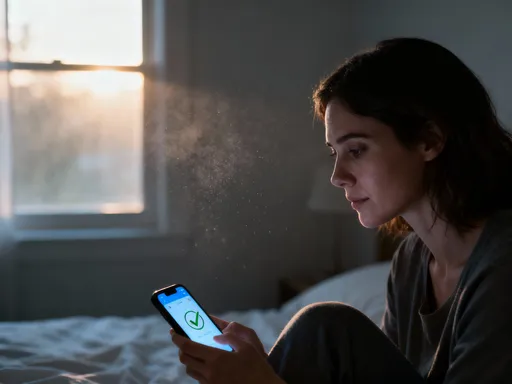
But my friend didn’t push. She just said, Try it for a week. Just tap an emoji. That’s it. So I did. I downloaded the app—simple, clean, no pressure. When it first popped up, I hesitated. What emoji was I supposed to pick? Was I sad? Tired? Stressed? I didn’t know. I ended up choosing a yellow face—kind of neutral, kind of okay. I added a quick note: Feeling flat. Not bad, not great. And that was it. No essay. No analysis. Just a tiny moment of honesty. The next day, I did it again. And the next. It wasn’t perfect. Some days I forgot. Some days I picked the same emoji out of habit. But slowly, it became a habit—like brushing my teeth or checking the weather. The app didn’t demand much, and that’s what made it work. It wasn’t about being emotional or dramatic. It was about showing up for myself, even in the smallest way.
Small Data, Big Insights
At first, nothing seemed to change. I tapped my emoji, added a note, and went on with my day. But after a few weeks, I started noticing things. I saw that on Mondays, I was almost always in the red zone—tense, drained, overwhelmed. That surprised me. I always thought Sundays were my reset day. But when I looked back at my notes, I realized I was actually over-scheduling my weekends. Brunch with friends, grocery shopping, kids’ activities, house cleaning—it all added up. By Sunday night, I was already exhausted, and Monday hit me like a wall. That was my first real insight: my weekends weren’t recharging me. They were draining me.
Another pattern emerged around sleep. On days when I slept less than seven hours, my mood ratings were consistently lower. Not dramatically so—but enough to notice. And on days when I took even a ten-minute walk in the morning, I rated my mood higher. Not because the walk solved all my problems, but because it gave me a moment of peace before the chaos began. These weren’t groundbreaking revelations, but they were mine. And that made all the difference. For the first time, I had evidence—real, personal data—that showed me how my choices affected how I felt. I wasn’t just guessing anymore. I could see it. And once I saw it, I could change it. I started adjusting my weekends, protecting my sleep, and building in tiny moments of calm. Not because I had to, but because I wanted to. The app didn’t tell me what to do. It just showed me what was already happening.
How the App Became a Quiet Companion
What surprised me most was how my relationship with the app changed. At first, it felt like another task on my to-do list—something else to remember, another thing to do. But over time, it became something else entirely. It became a quiet companion. I started looking forward to that little check-in. It wasn’t about judgment or performance. No green stars for good moods, no red warnings for bad ones. Just a space to say, This is how I feel today. And that was enough.
I began to notice that the act of checking in—just taking thirty seconds to pause and reflect—became a form of mindfulness. It wasn’t meditation, but it had a similar effect. It grounded me. On busy days, when I was rushing from one thing to the next, that little notification was a gentle nudge to slow down. How are you, really? It reminded me that I mattered—not just as a mom, a wife, a worker—but as a person. And the app never scolded me for feeling tired or stressed. It didn’t tell me to try harder. It just listened. It remembered the days I felt calm, the days I felt overwhelmed, the days I felt proud. And when I looked back at my history, I could see my progress—not in big leaps, but in small, steady steps. That kind of consistency gave me comfort. It was like having a friend who knew me—not perfectly, but well enough to say, I see you. I remember.
Sharing Insights with Myself—And My Doctor
One of the most powerful moments came when I started using the app to talk to myself—and eventually, to my doctor. For years, when I’d say I wasn’t feeling well, I’d struggle to explain why. I don’t know, I’d say. I’m just tired. I’m stressed. I can’t put my finger on it. But with the app, I finally had something concrete. I could say, Last week, I had four low-mood days, and three of them followed nights with less than six hours of sleep. And every time I walked in the morning, my mood improved. That changed everything. It wasn’t just a vague feeling anymore. It was a pattern. And patterns can be worked with.
When I brought this data to my doctor during a routine visit, her face softened. This is really helpful, she said. It gives us a clearer picture than just a snapshot of how you’re feeling today. We talked about sleep hygiene, stress management, and even looked at whether my thyroid levels might be playing a role. But the biggest difference was that I didn’t feel dismissed. I wasn’t just a woman saying she was tired. I was someone who had been paying attention, who had data, who was trying to understand herself. And that made me feel seen. The app didn’t diagnose me. It didn’t replace professional care. But it gave me the tools to advocate for myself in a way I never had before. It turned vague discomfort into a conversation. And that conversation led to real changes—like adjusting my bedtime routine and adding a magnesium supplement that actually helped me sleep deeper.
Not a Fix, But a Foundation
I want to be clear about something: this app didn’t fix my life. It didn’t erase my anxiety or make my kids easier to manage. It didn’t magically give me more hours in the day. What it did was give me awareness. And awareness is powerful. Once I could see my patterns, I could make better choices. I started saying no to extra commitments on weekends. I protected my sleep like it was sacred. I scheduled short walks like they were meetings I couldn’t miss. These weren’t huge changes, but they added up.
The app also helped me set boundaries—not just with others, but with myself. I used to think I had to do everything, be everything, all the time. But the data showed me the cost of that mindset. On days when I overcommitted, my mood paid the price. So I started honoring my limits. I let go of the idea that I had to be “on” all the time. And slowly, I became kinder to myself. I stopped beating myself up for having off days. Instead, I’d look at the app and ask, What happened? What can I learn? That shift—from self-criticism to curiosity—was life-changing. Technology didn’t heal me. But it gave me the foundation to heal myself. It didn’t solve my problems, but it helped me see them clearly enough to start solving them, one small step at a time.
A Calmer Life, One Tap at a Time
Today, my life isn’t perfect. I still have busy days, stressful moments, and times when I feel overwhelmed. But the difference is that now, I’m not caught off guard. I know my triggers. I know what helps. And I know that even on hard days, I’m not alone. That little app is still with me—still asking, still listening, still helping me stay connected to myself. I’ve stopped thinking of it as a tech tool and started seeing it as a form of self-care. Because checking in with my emotions isn’t selfish. It’s necessary. It’s how I show up as a better mom, a better partner, a better version of myself.
If you’ve ever felt like you’re running on empty, I want to encourage you: try it. Just for a week. Pick an app—any simple one that lets you rate your mood and add a note. Don’t overthink it. Don’t worry about doing it perfectly. Just tap, reflect, and see what shows up. You don’t need to be a data person. You don’t need to love tech. You just need to care enough about yourself to pause, even for a moment. Because understanding yourself isn’t about perfection. It’s about presence. It’s about progress. It’s about building peace, slowly, gently, with the help of a tool that truly listens. And sometimes, that’s enough to change everything.